
dihydroxyphenylalanine
- noun
- /ˌdaɪhɪˌdrɒksɪˌfɛnɪlˈælənin/
- Specialized
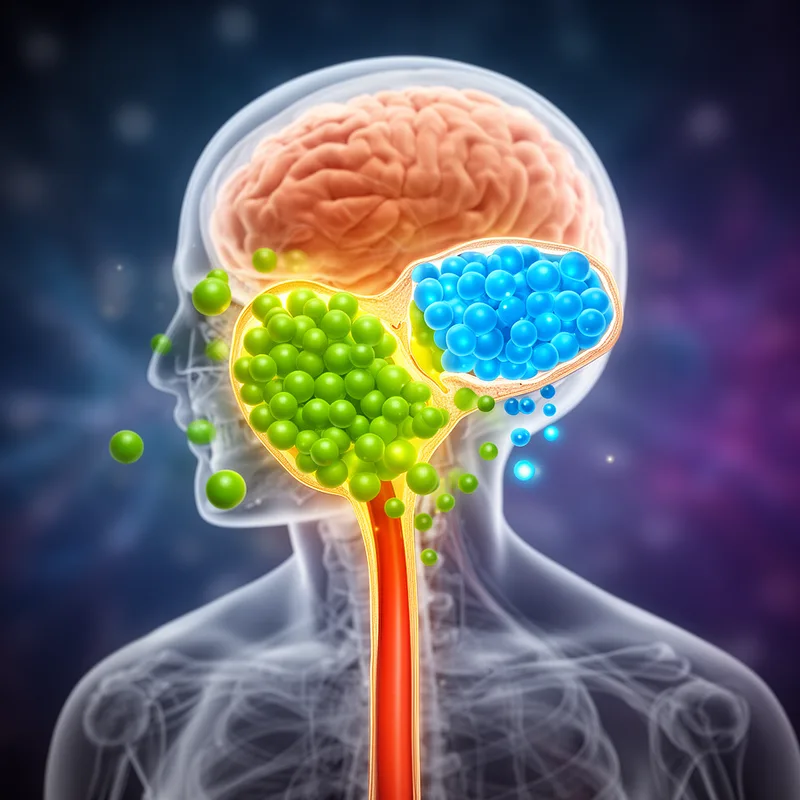
- The medication increases the level of dihydroxyphenylalanine in the brain to help control symptoms of Parkinson's disease.
Examples
-
Dihydroxyphenylalanine is converted into dopamine, which is essential for mood regulation.
-
Dihydroxyphenylalanine plays a crucial role in the production of dopamine in the nervous system.
-
Researchers are studying how dihydroxyphenylalanine is metabolized in patients with neurological disorders.
-
The body produces dihydroxyphenylalanine naturally.
-
Many patients benefit from dihydroxyphenylalanine supplements.
-
Doctors often prescribe dihydroxyphenylalanine to boost dopamine levels in patients with Parkinson's disease.
-
Supplementing with dihydroxyphenylalanine can improve motor function in individuals suffering from movement disorders.
Synonyms
 4
9.9
4
9.9

A substance the body makes that becomes dopamine in the brain
 1
6.0
1
6.0
A medicine used to treat Parkinson's disease by replacing a chemical in the brain
 1
6.5
1
6.5
A medicine used to treat Parkinson's disease that helps people move
Surface Forms
Morphology
dihydroxyphenylalanine = phenylalanine (opaque) = di + hydroxy + phenyl + alanine
Structurally this is phenylalanine modified by a 'dihydroxy' group, which is clear to those with chemistry knowledge but not to average learners.
Etymology
Dihydroxyphenylalanine is a long chemical name that simply describes the substance: di- means 'two', hydroxy means 'a group related to water', phenyl names a ring-shaped part of the molecule, and alanine is a common amino acid. A helpful way to remember it is its better-known name, L-DOPA, because the body turns this amino acid into dopamine, the brain chemical that affects movement and mood, which is why the name points to its role in the body.