
difluoride


 1
7.2
- noun
- /ˌdaɪˈflɔːraɪd/
- Specialized
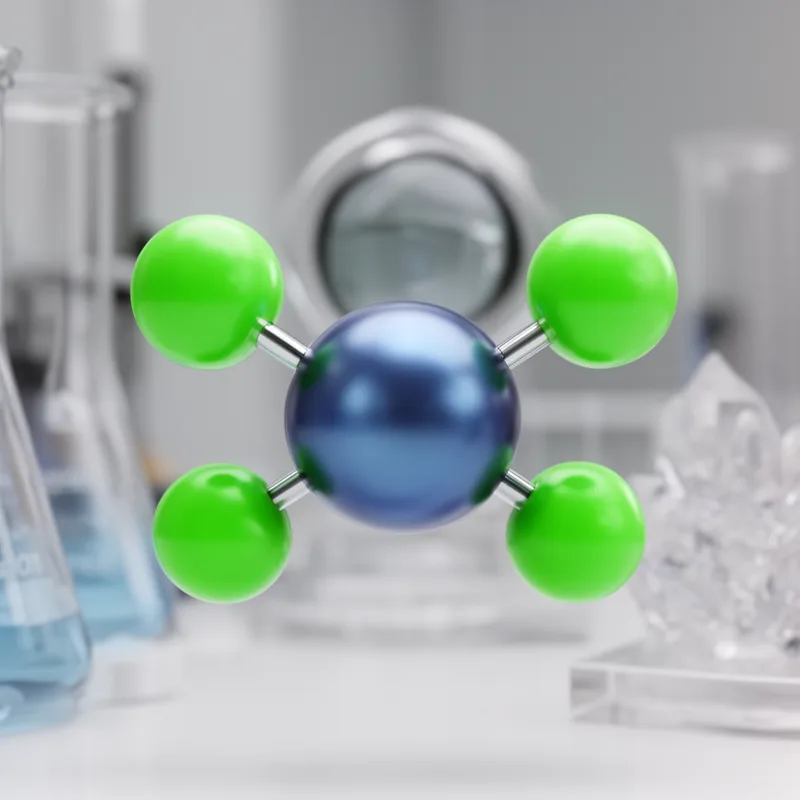
- One more thing if you've got, if you've got stoichiometry like this, this is a difluoride of magnesium.
Examples
-
I've been running some tests on a new battery source, xenon difluoride.
-
Dioxygen difluoride is known for being one of the most reactive compounds containing fluorine.
-
Shoot, is that my xenon difluoride?
-
You need a binder such as Poly vinyl difluoride to hold together this powder of the redox material and a connectivity aid like carbon black.
-
Such solvents would destroy most conventional ultrafiltration membranes, such as polysulfone and polyvinylidene difluoride.
Academic text (1994) -
The chemist demonstrated how to create a difluoride by bonding two fluorine atoms to another element.
-
In the lab, we synthesized a new difluoride that showed promising results in our tests.
Surface Forms
Morphology
Etymology
Difluoride comes from the prefix di- meaning 'two' and fluoride, the name of the element fluorine. So a difluoride is a compound in which another element is attached to two fluorine atoms.