
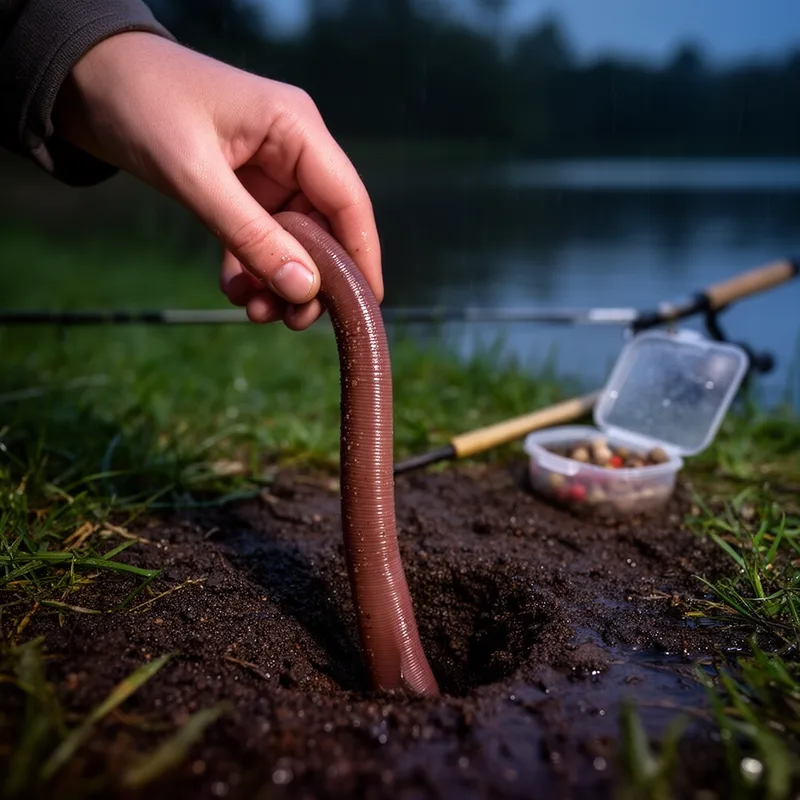
dew worm
- noun
- /djuː wɜrm/
- The fisherman dug in the garden to find a dew worm for bait.
Examples
-
Gardeners appreciate the work dew worms do in aerating the soil.
-
After the rain, dew worms could be seen crawling across the sidewalk.
-
I found a large dew worm in the garden.
-
The fisherman used a dew worm as bait.
-
After the rain, dew worms come to the surface, making them perfect for fishing bait.
-
To catch more fish, he often uses a dew worm he found in his backyard.
-
The soft soil made it easy to spot the dew worms that had surfaced during the damp night.
Synonyms
 299
1.0
299
1.0

A small soft animal without legs that lives in soil or water
 16
1.3
16
1.3
A small long worm that lives in soil and helps make soil healthy
 4
7.0
4
7.0
A large earthworm that comes out at night and people use for bait
 4
5.4
4
5.4
A small worm that lives in soil and is often used as bait for fish

 1
7.2
1
7.2
A small worm that lives in soil and is used for fishing bait
 1
2.1
1
2.1
A small red earthworm that lives in soil, helps make soil better, and people use it as fishing bait
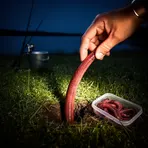
A large worm used for fish bait that comes out at night

A worm, often an earthworm, used to catch fish

A common earthworm used as bait for fishing

A worm that people use as bait to catch fish
Surface Forms
Morphology
The compound 'dew worm' is directly interpretable as a worm associated with dew (a worm that appears in damp/night conditions); both constituents retain their literal meanings and the noun-noun compounding pattern is regular in English. A B1 learner who knows 'dew' and 'worm' can reasonably infer this referent without prior exposure.
Etymology
The noun dew worm comes from the simple picture of a worm crawling on grass covered in dew in the cool early morning. People would collect these large worms for 'bait', so the name came to mean a big earthworm that comes to the surface in damp weather.