
devoir


 1
9.9
- noun
- /dɪˈvwɑr/
- Formal
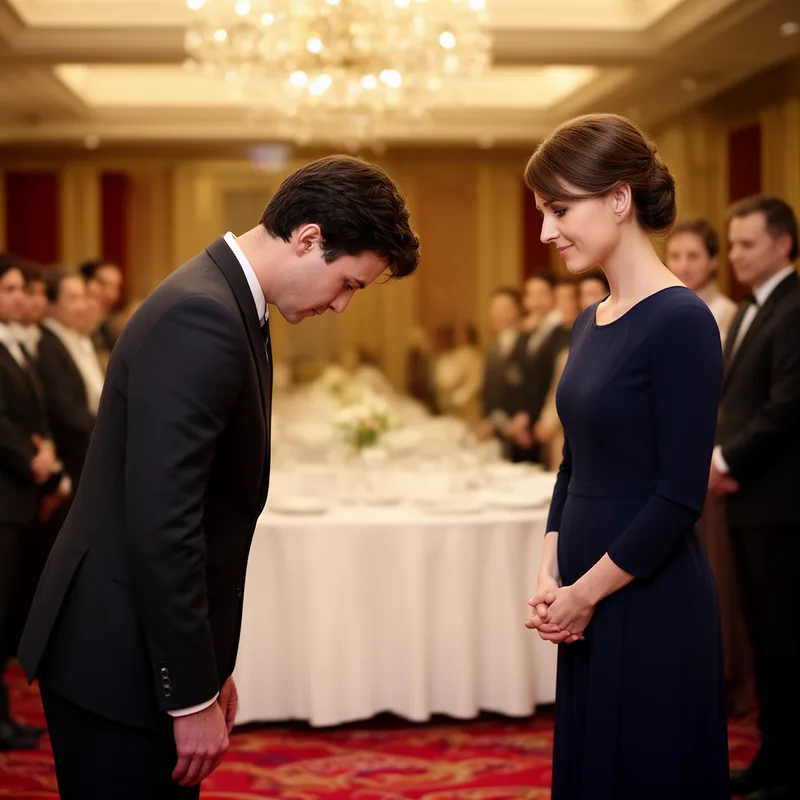
- At the ceremony, the soldiers performed their devoir to honor the fallen heroes.
Examples
-
He felt a strong sense of devoir to attend the memorial service for his late mentor.
-
During the graduation ceremony, the students expressed their devoir to the teachers through heartfelt speeches.
-
The maternal message becomes even more compelling when, on her deathbed, Mme. de Chartres receives her daughter alone and reminds her for the last time of her devoir (64).
Academic text (2001)
Synonyms
 34
7.8
Polite respect that makes you accept someone's wishes or opinions
 6
6.2
A polite gesture of bending the knees and lowering the body, often by women
 2
6.0
A bow or action that shows deep respect to someone
How Formal

Surface Forms
Etymology
Devoir comes from the Latin debere meaning 'to owe', so a devoir was originally something you 'owe' someone — for example respect or proper behaviour shown to a host or ruler. That's why devoir can mean a formal act of duty or respect.