
deva
 1
9.1

- noun
- /ˈdeɪvə/
- Literature
- According to the Bhagavad Gita, there are two paths by which the departing soul may leave the body: the deva yana, or path of light, and the pitri yana, or path of darkness.
Loading YouTube…
Watch on YouTubeThe Hindus refer to them as the Devas and the Ashuras.
- The Hindus refer to them as the Devas and the Ashuras.
- And that's a whole nother facet of Indian understanding of devas and devis or higher beings for giving you material prosperity in bhakti.
Examples
-
This law is the working out into manifestation of the informing consciousness of a part of the deva kingdom and of certain pranic energies.
Blog text (14) -
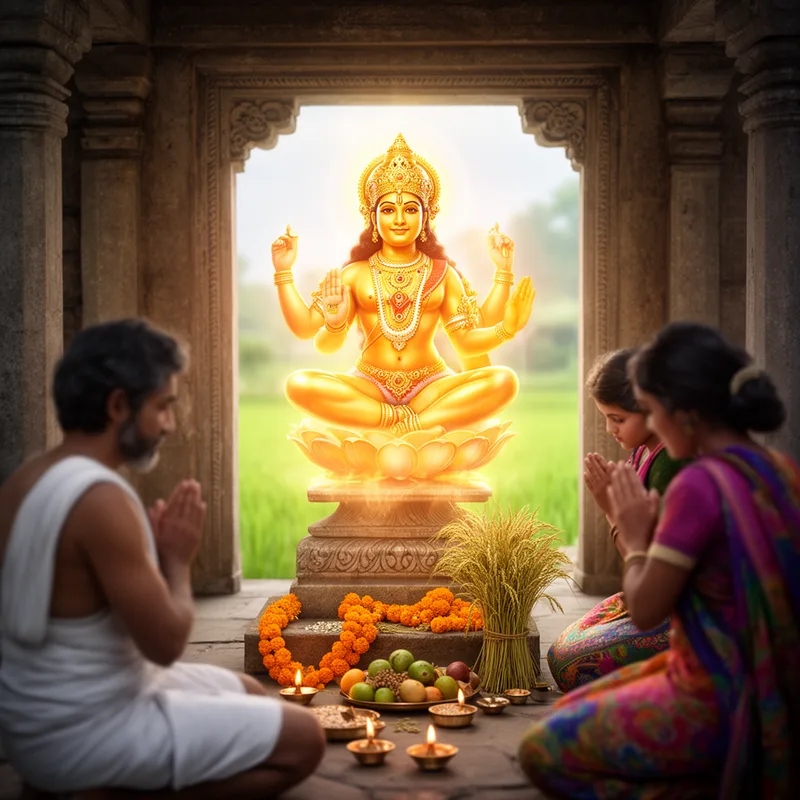
The ancient texts describe the devas as celestial beings who interact with humans and aid them in their spiritual journeys.
-
I'll play with: asking the deva of this thing for guidance.
Blog text (32) -
The Hindus refer to them as the Devas and the Ashuras.
-
It is designed to represent Mount Meru, home of the devas (benevolent supernatural beings) in Hindu mythology.
Blog text (30) -
In Hinduism, a deva is often depicted as a benevolent spiritual being who oversees the natural order.
-
People in Hindu culture often pray to devas for guidance and blessings in their lives.
Synonyms
 1
7.4
A god or goddess that people worship in Hinduism
Surface Forms
Etymology
Deva comes from the Sanskrit word deva, which means 'god' and originally had the idea of 'to shine'. So a deva is thought of as a bright, heavenly being, and the same idea appears in English words like divine and deity.