

detrital
- adjective
- /dɪˈtraɪtəl/
- Specialized
- The detrital evidence was overwhelming!
Examples
-
The geologist studied the detrital layers to understand the history of the river valley.
-
Sandstone often contains a high percentage of detrital grains from older rocks.
-
The detrital material at the bottom of the lake was analyzed for mineral content.
-
The detrital materials can tell us about past climates.
-
The soil in the valley is rich in detrital particles that enhance plant growth.
-
Geologists study the detrital sediments formed from weathered rocks in the riverbed.
-
The detrital material found in the excavation site provides insights into the area's geological history.
Synonyms


 1
9.9
1
9.9
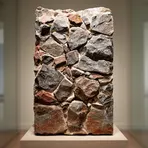
Rock made of many large broken pieces
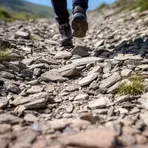
Covered with loose stones and broken pieces of rock
Surface Forms
Morphology
Etymology
The word detrital comes from the Latin word detritus, which means 'rubbed away' and comes from terere 'to rub'. So, detrital describes loose fragments or grains that are the worn-down bits of rock left after rocks break or rub together.