

depilous
- adjective
- /dɪˈpɪləs/
- Specialized
- The breed is known for being depilous, making it popular among allergy sufferers.
Examples
-
After the treatment, his legs became completely depilous for several weeks.
-
Some reptiles naturally have depilous skin throughout their lives.
-
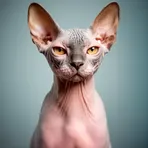
The depilous cat looked quite unusual.
-
Why is the depilous frog so fascinating?
-
After the treatment, his legs became completely depilous, feeling smooth and hairless.
-
Some reptiles are known for their depilous skin, which helps them regulate temperature.
-
The breed is popular among allergy sufferers because it is entirely depilous.
Synonyms

 280
1.0
280
1.0

Having little or no hair on the head
 26
1.7
26
1.7
Having no fur or small threads that grow on the skin

Having no hair on the head
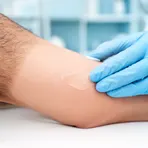
A part of the body that has no hair
Antonyms
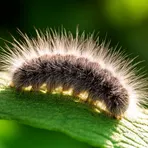

How Hairless


Surface Forms
Morphology
depilous = pilous (semi-transparent) = de + pil + ous
If a learner knows 'pilous', they may infer 'not hairy' or 'hair removed', but the privative use of 'de-' is less familiar than common negatives like 'un-' or '-less'.
Etymology
Depilous comes from Latin parts de- ('remove') and pilus ('hair'), so it literally means 'without hair'. That's why depilous describes something that is completely hairless.