
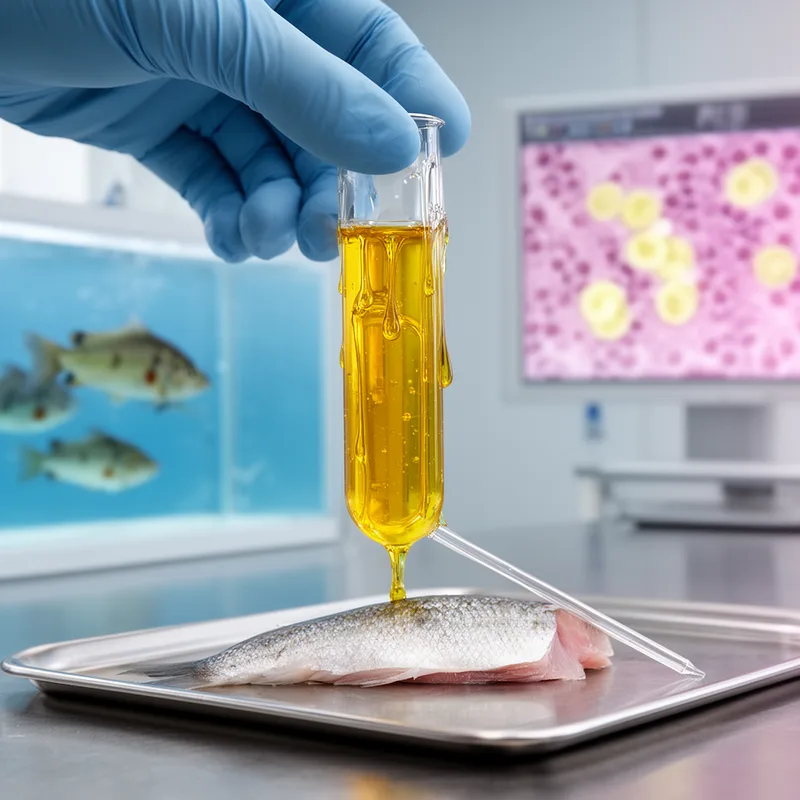
dehydroretinol
- noun
- /ˌdiːhaɪdroʊˈrɛtɪnɔl/
- Specialized
- Unlike vitamin A₁, dehydroretinol is significantly less active in most mammals.
Examples
-
The laboratory compared the effects of dehydroretinol and retinol on mammalian tissues.
-
Recent studies show that dehydroretinol is common in freshwater fish species.
-
The dehydroretinol found in fish is crucial for their vision.
-
Some dehydroretinols are used in dietary supplements.
-
Research indicates that dehydroretinol plays an important role in the vision of some aquatic species.
-
Laboratory tests show that dehydroretinol is less effective than retinol in supporting growth in mammals.
-
Nutritional studies have found that dehydroretinol is abundant in certain fish that thrive in nutrient-rich waters.
Synonyms

A thick alcohol in some fish and frogs that helps sight and growth but works less in mammals
Surface Forms
Morphology
Etymology
Dehydroretinol breaks into de- 'remove', hydro- 'hydrogen', and retinol, the vitamin A 'alcohol' named after the retina (the eye). So dehydroretinol is a form of vitamin A with less hydrogen than plain retinol, which helps explain why it is often less active in mammals and is common in some fish.

