

decomposability
- noun
- /ˌdiːkəmˈpoʊzəˈbɪlɪti/
- Scientists study the decomposability of plastics to find better recycling methods.
Examples
-
Forth is another language whose extraordinary decomposability is valuable to study and understand.
Blog text (10) -
The decomposability of organic waste allows it to be transformed into nutrient-rich soil.
-
The partial decomposition of fresh plant tissues shed as litter results in both a further concentration of nitrogen in the resulting organic matter (humus) and a further degradation in the decomposability of this residue.
Academic text (1998) -
Understanding the decomposability of materials is essential for effective waste management.
Synonyms


 1
6.3
1
6.3
Ability to be split into parts without anything left over or getting damaged

How you can change a problem or process into an easier form
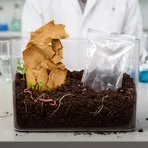
How easily something breaks down naturally over time
How Decomposable
- Specialized
1
4.9
 363
3.1
1
9.0
363
3.1
1
9.0
Surface Forms
Morphology
decomposability = decomposable (semi-transparent) = de + compose + able + ity
This is a standard and highly transparent noun formation from the adjective 'decomposable' using '-ity' to indicate a quality or state.
Etymology
Decomposability comes from three parts: de- meaning 'undo' or 'remove', compose meaning 'put together', and -ability meaning 'ability'. So, decomposability is the quality of being able to be taken apart into smaller parts, which is why we use it for things that can be broken down.