
decollation
- noun
- /dɪˈkɒleɪʃən/
- Specialized
 :
decollación
:
decollación
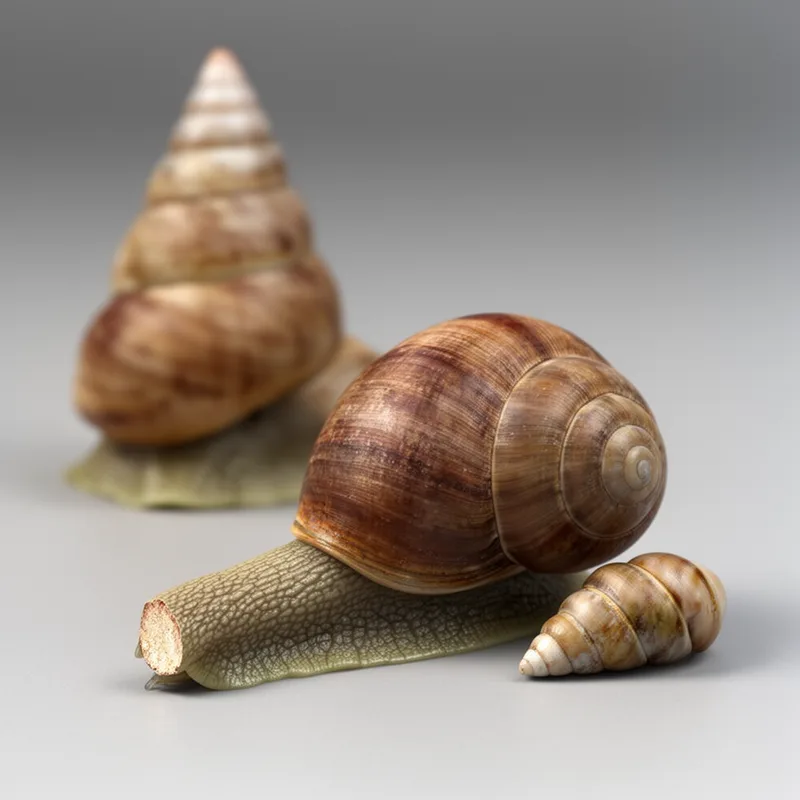
- During decollation, the upper part of the shell is lost, leaving a blunt end.
Examples
-
Researchers documented the process of decollation in their study of mollusk shell development.
-
Many species exhibit decollation as they grow.
-
The scientist observed decollation in several snail species as they matured.
-
The decollation of the snail's shell was evident after the storm.
-
The scientist observed decollation in several snail species as they matured.
-
During decollation, the upper part of the shell is lost, leading to a truncated structure.
-
Researchers documented the phenomenon of decollation in their study on mollusk shell formation.
How Truncated


Surface Forms
Morphology
decollation = decollate (opaque) = de + coll + ion
Formed by regular noun derivation from the verb decollate with the suffix -ion; that step is morphologically clear if one knows the verb.
Etymology
Decollation in zoology also comes from de- 'off' and collum 'neck' and gives the image of the top being taken off a shell. So, think of a snail with its shell 'neck' removed to remember that decollation means losing the shell's upper part.