
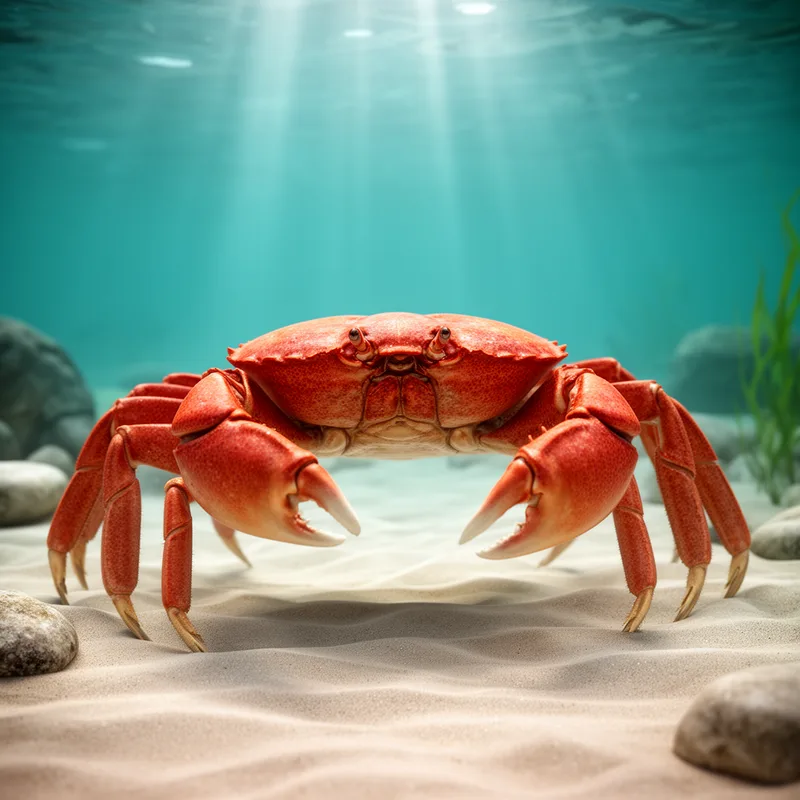
decapod crustacean


 1
6.8
1
6.8
- noun
- /ˈdɛkəˌpɒd krʌˈsteɪʃən/
- Specialized
- Decapod crustaceans (lobsters, crabs, shrimp) eat snails, as all naturalists know.
Examples
-
In the ocean, decapod crustaceans like shrimp play a vital role in the ecosystem as scavengers.
-
Lobsters and crabs are both types of decapod crustaceans that live in marine environments.
-
Many fishermen target decapod crustaceans for their economic value, especially during the seafood season.
Synonyms
 1
8.3
1
8.3
A sea animal like a crab, lobster, or shrimp that has five pairs of walking legs
Surface Forms
Morphology
This is a fully compositional technical noun phrase: 'decapod' specifies a type of crustacean with ten legs (five pairs), so combining it with 'crustacean' yields a literal meaning 'a crustacean with ten legs'. A B1 learner who knows the constituent meanings can therefore derive the MWE's meaning without prior exposure, making it transparent.
Etymology
Decapod crustacean comes from two parts: deca- meaning 'ten' and -pod meaning 'foot'. So the name pictures and now describes crustaceans with ten legs, like crabs, lobsters, and shrimp.