
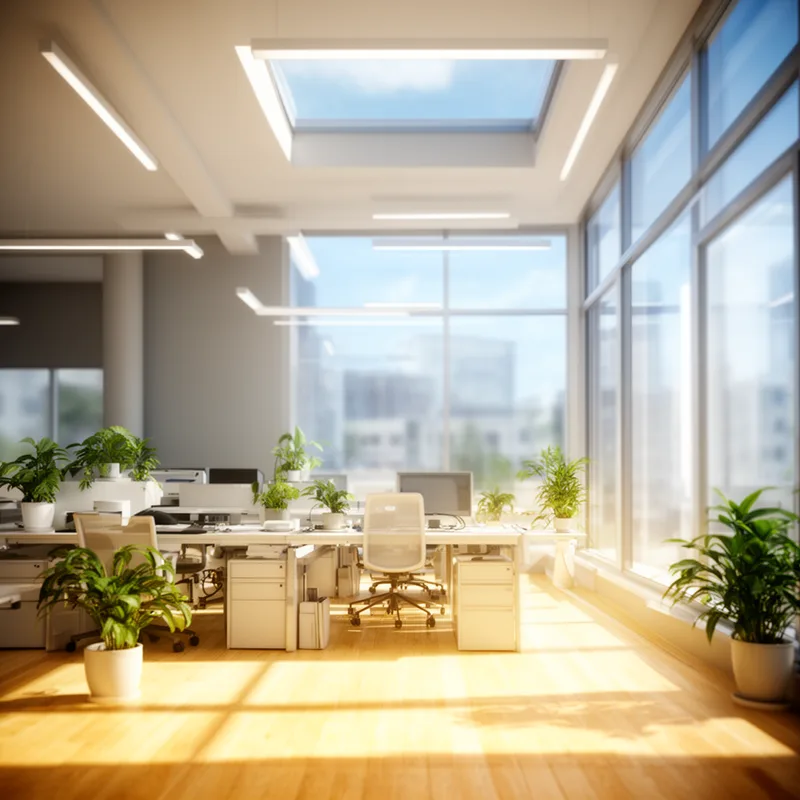
daylighting


 1
4.2
1
4.2
- noun
- /ˈdeɪˌlaɪtɪŋ/
- Specialized
- The solution is referred to in the design profession as "daylighting" design, which can gather, direct, and reflect natural light deep into single or multi-story buildings (Noell, 1991).
- daylighting and radiant heating
- uses daylighting
Examples
-
Among other attributes, a sustainable building should maximize daylighting, have appropriate ventilation and moisture control, and avoid the use of materials with high VOC (volatile organic compounds) emissions.
Academic text (2007) -
The One Bryant Park tower emphasizes natural daylighting, fresh air, and a connection to the outdoors, thinking outside of the glass box, so to speak.
Blog text (21) -
NREL required daylighting to be one footcandle at minimum, even on a cloudy winter day.
Blog text (14) -
The paneling is used sparingly to maximize daylighting, but it also keeps snow and rain out.
Blog text (14) -
During the past decade, many new systems for improving energy efficiency have been developed, including new lighting systems (compact fluorescent lamps, fixtures that reflect more light onto work surfaces, electronic ballasts, and daylighting and occupancy sensors and controls).
Academic text (1994) -
The new office design incorporates daylighting techniques to reduce the need for artificial lighting.
-
Many architects now prioritize daylighting to enhance the well-being of building occupants.
-
This school has implemented daylighting strategies to create a brighter and healthier learning environment.
How Bright
- Specialized
1
4.2
 534
1.0
534
1.0
Surface Forms
Morphology
Etymology
The word daylighting comes from the simple parts day ('day') and lighting ('making light'). It literally means using the sun, windows, or skylights to light a room, so architects design spaces to use natural sunlight instead of electric lights.