

dance music
 16
1.4
16
1.4

- noun
- /dæns ˈmjuːzɪk/
- The club was filled with people enjoying the energetic dance music that got everyone on their feet.
- mainstream dance music
Loading YouTube…
Watch on YouTubeI had my first proper experience of dance music when I worked at Alders.
- I had my first proper experience of dance music when I worked at Alders.
- But, you know, dance music was very foreign to me in that respect.
- Free expression, dance music, creative exploratory music, all that kind of stuff.
- When we took Sun Rod to the streets, people thought it was dance music.
- Like we, we as dance music producers, our music needs to be heard in live situations.
- I watched a documentary last night on Steve Aioli, The famous EDM electric dance music DJ who's getting so much traction in the world right now.
- So it fits in the pop music world, It fits in dance music, it fits in idle music, it fits in adult music.
Examples
-
There was dance music from a wireless in some room off the corridor.
Fiction book (1997) -
If anything, EDM in its current form is a product of the early 90s dance music you reference.
Blog text (28) -
But, you know, dance music was very foreign to me in that respect.
-
What's exciting right now is that everyone can experience dance music via modern technology.
Blog text (28) -
I had my first proper experience of dance music when I worked at Alders.
-
The restaurant was very noisy due to the constant loud dance music.
Fiction book (1995) -
Two hundred people are gyrating to eerie techno-tribal dance music.
Fiction book (1997) -
Students will reinforce letters, numbers, and patterns while exploring different styles of dance music through critical listening and reading narratives about dance and classical music.
Academic text (2011) -
"Shotgun" is a concentrated dose of dance music, Motown-style, with fevered imagery to match the blisteringly hot music.
Blog text (1) -
At the wedding reception, they played lively dance music that encouraged guests to join the celebration.
Synonyms
 75
7.5
75
7.5
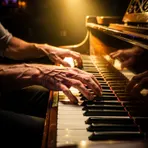
Lively blues music played on piano with a strong, fast beat
 60
4.8
60
4.8
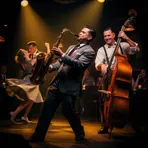
A lively jazz music style with a strong rhythm
 41
4.4
41
4.4
Fast, loud electronic dance music that people dance to in clubs, usually without singing
 7
6.3
7
6.3
A type of electronic dance music with heavy bass and fast beats at about 140 beats a minute
 4
1.9
4
1.9
Dance music with a strong steady beat for dancing in clubs from the 1970s
 1
3.5
1
3.5
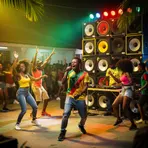
Jamaican music with a strong beat and energetic vocals for dancing


 1
4.0
1
4.0
A style of pop rock from 1960s Britain with strong rhythms and simple melodies

Music played for couples to dance to, like the waltz

Music people dance to in a ballroom, like waltz or foxtrot

Music played to accompany square dancing, often with lively fiddle or banjo rhythms
How Danceable

Surface Forms
Morphology
The meaning 'music made for people to dance to' is directly and transparently derived from combining 'dance' (to move rhythmically to music) with 'music' (organized sound); the compound simply specifies the purpose or style of the music. This compositional pattern is common across languages and follows predictable English noun-noun modification, so a B1 learner who knows both words will readily infer the meaning.
Etymology
The phrase dance music comes from the simple idea of dance and music: people wanted music with a strong, steady beat so they could 'dance' at a 'party' or club. That's why it means music with a strong beat made for people to dance.