

dallis grass
- noun
- /ˈdælɪs ɡræs/
- Specialized
- The farmer chose to sow dallis grass for its hardiness and nutritional value as forage.
Examples
-
The field was covered in dallis grass.
-
Dallis grass quickly spreads throughout lawns in the southern states during the warm season.
-
You can identify dallis grass by its coarse texture and distinctive seed heads.
-
Farmers often use dallis grass for grazing.
-
The farmer planted dallis grass in the pasture to provide better forage for his cattle.
-
Dallis grass grows tall and thick, making it an excellent choice for erosion control.
-
Many livestock owners prefer dallis grass because it remains green and nutritious during dry seasons.
Synonyms

A tall grass that grows in clumps and is used to feed animals
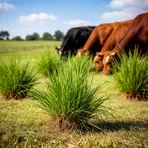
A tall grass that grows in small clumps from warm regions often used for grazing animals

A tall grass from tropical America used to feed farm animals
Surface Forms
Morphology
dallis + grass
The noun-noun pattern 'dallis grass' follows a common compositional pattern where the first element names a variety and 'grass' provides the category, so a B1 learner who knows 'grass' would infer it denotes a kind of grass. However, 'dallis' is a proper name with no lexical meaning for learners and does not convey the specific botanical properties, so the precise sense (tall, tufted perennial used for pasture) is not fully predictable.
Etymology
The plant name dallis grass may come from the last name Dallis, a person who first spread or sold this coarse pasture grass in fields. Imagine a farmer named Dallis planting clumps of tall grass — that picture helps explain why the name now means this common grass used for animal feed.

