
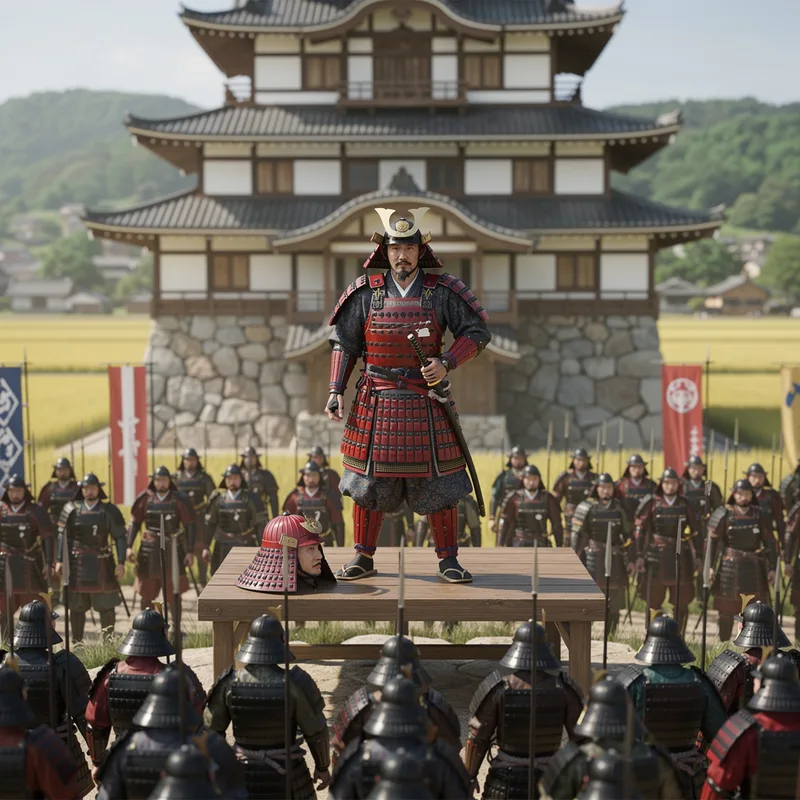
daimyo
 1
9.9
1
9.9

- noun
- /ˈdaɪmjoʊ/
- Each daimyo held significant power, while managing their territories and engaging in political alliances.
- daimyo and samurai
- daimyo, feudal lords
Examples
-
The daimyo organized festivals to showcase their wealth and celebrate their loyalty to the emperor.
-
During the Edo period, the daimyo ruled over vast land and had their own samurai.
-
So the general idea here is you have this system with the daimyo at the top, this network of vassals that goes down the chain.
-
And then they walked back to their daimyo's grave site where they wash the head in this pool.
-
The daimyo hastens with his attendants to meet him.
Blog text (22) -
Eighteen years old, she was a daughter of a powerful daimyo provincial lord and held a post as a lady-in-waiting to the shogun's mother. Sano had met her during an investigation some years ago.
Fiction book (2002)
Synonyms
 2
9.5
2
9.5
A rich, powerful man who holds land from the king and gives soldiers to the king
How Powerful

Surface Forms
Etymology
Daimyo comes from Japanese parts dai- 'big' and -myo 'name', so it literally means 'big name' or 'great name' and is a helpful way to remember someone important. A daimyo was a powerful feudal lord in old Japan who controlled large areas of land and had strong political and military power, which is why the word means a top local ruler today.