
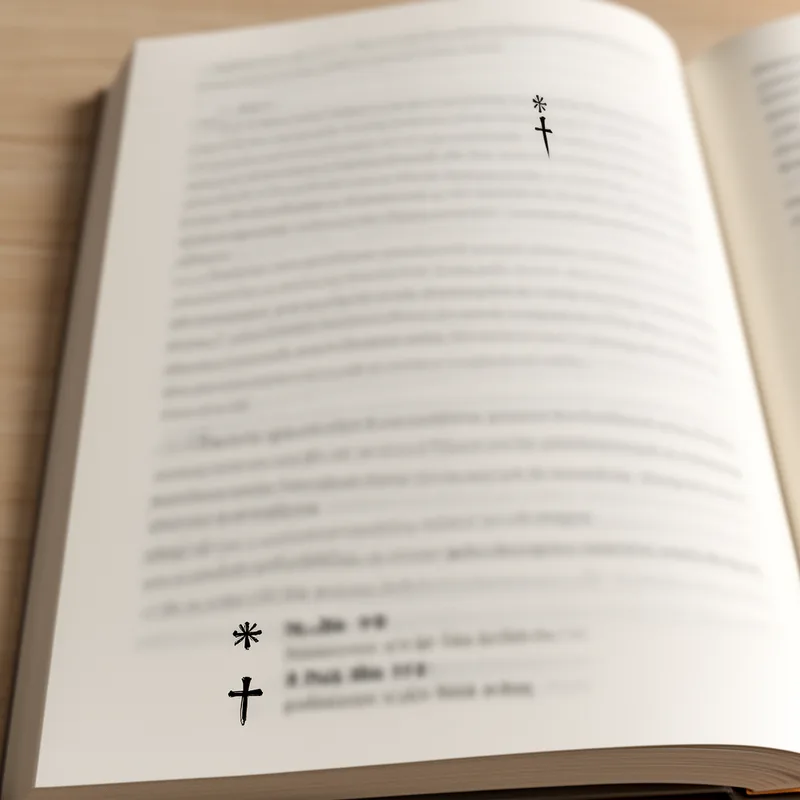
dagger


 1
9.4
- noun
- /ˈdæɡər/
- Specialized
- I swear to you, wherever you go, wherever you are, I vow there will always be daggers bearing notes signed "James Hook."
- double dagger
Examples
-
double dagger
Academic text (2018) -
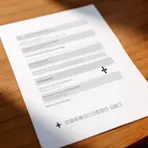
In the manuscript, the author used a dagger to denote the second footnote at the bottom of the page.
-
And he appears again on the dagger, see?
-
Dagger 1-2, Dagger 1-2, this is Dagger 3-3.
-
Dagger 1-2, this is Dagger 3-3.
-
The dagger!
-
Mike snatched at the receiver, looking daggers at Lou, and said into the instrument, with a delightful American accent, "Messageries Bontemps."
Fiction book (1995) -
When formatting citations, remember to add a dagger symbol if the asterisk has already been used.
-
The editor marked the paragraphs with a dagger to indicate additional references for the readers.
Synonyms
 1
9.9
A symbol like † that shows a footnote or marks that someone has died
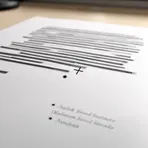
A small cross-shaped mark used after an asterisk to show a second footnote
Compounds


- Archaic
A small old knife with a short pointed blade that collectors keep and museums show

- Specialized
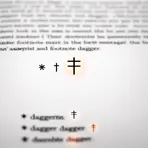
A small mark that shows a third footnote in printed text after an asterisk and a dagger
Surface Forms
Etymology
Dagger as the printing sign (†) was named because the mark looks like a tiny knife, and printers used it as the 'second footnote' mark after the asterisk. So the dagger symbol points readers to extra notes.