

cytoarchitectural
- adjective
- /ˌsaɪtoʊˌɑrkɪˈtɛkʧərəl/
- Specialized
 :
citoarquitectónica
:
citoarquitectónica
- The cytoarchitectural features of the brain are crucial for understanding its functions.
Examples
-
Researchers published a comprehensive map of the human cortex based on cytoarchitectural features.
-
A cytoarchitectural analysis can reveal abnormalities in the cerebral cortex of patients with neurological diseases.
-
The cytoarchitectural differences between brain regions help scientists identify functional areas.
-
Researchers study the cytoarchitectural organization of neurons in the cortex.
-
The detailed cytoarchitectural study revealed how neurons are arranged in the brain.
-
Researchers are examining the cytoarchitectural differences between healthy and diseased tissues.
-
Understanding the cytoarchitectural features is essential for advancing neuroscience.
Synonyms

 62
4.8
62
4.8

Relating to the tiny living parts that make every animal or plant
 3
9.5
3
9.5
Relating to the very small structure of tissues seen with a microscope
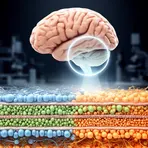
Relating to the arrangement of cells in a tissue, especially the brain

Describing body tissue seen under a microscope
Surface Forms
Morphology
cytoarchitectural = architectural (semi-transparent) = cyto + architect + ural
The word is formed regularly from cyto- plus architectural, but the resulting technical biological sense is specialized and not fully predictable for an average learner.
Etymology
The word cytoarchitectural combines cyto- meaning 'cell' and architecture meaning 'how something is built' or 'the design of a building'. So, cytoarchitectural describes how cells are arranged in a tissue, especially in the brain, and helps you think of the brain's 'layout' as a kind of cellular building.