
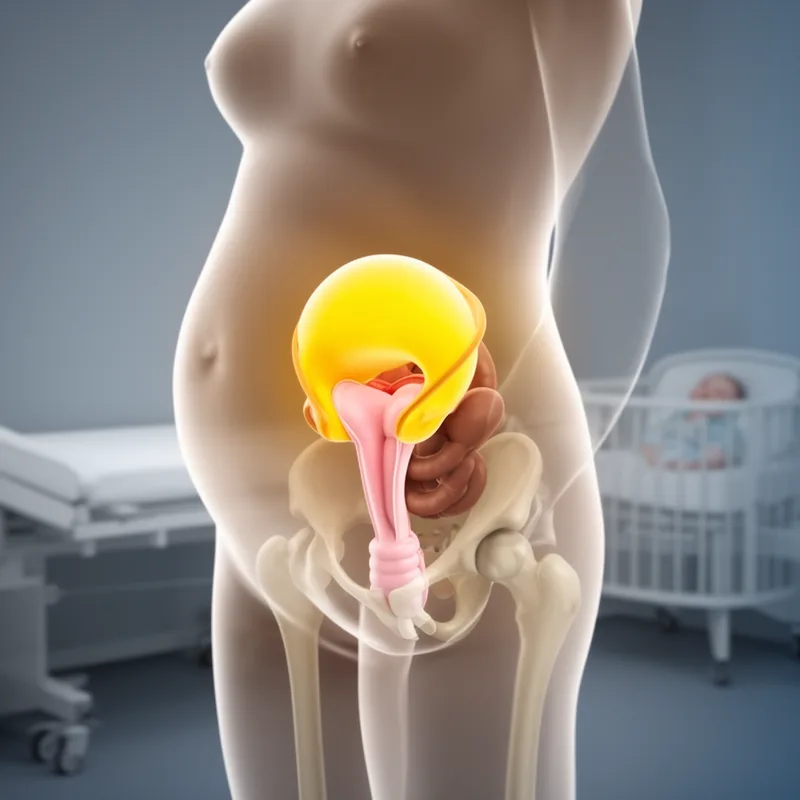
cystocele


 1
9.9
- noun
- /ˈsɪstəˌsiːl/
- Specialized
- Many women experience a cystocele after childbirth.
Examples
-
Women who have had multiple pregnancies may be at increased risk of developing a cystocele.
-
A cystocele can cause discomfort and urinary problems if left untreated.
-
Surgical repair is one treatment option for a severe cystocele.
-
A cystocele can cause discomfort during physical activities.
-
A cystocele can lead to urinary leakage and a feeling of fullness in the vaginal area.
-
After giving birth, some women may notice a cystocele affecting their bladder function.
-
Treatment for a cystocele often involves exercises to strengthen pelvic floor muscles.
Synonyms

The bladder bulges through the wall of the vagina, often after childbirth
Surface Forms
Morphology
Etymology
Cystocele comes from two parts: cysto- meaning 'bladder' (like the word cyst) and -cele meaning 'hernia' or 'swelling'. So a cystocele is literally a 'bladder hernia', which explains why the bladder can push into the vaginal wall, often after childbirth.