
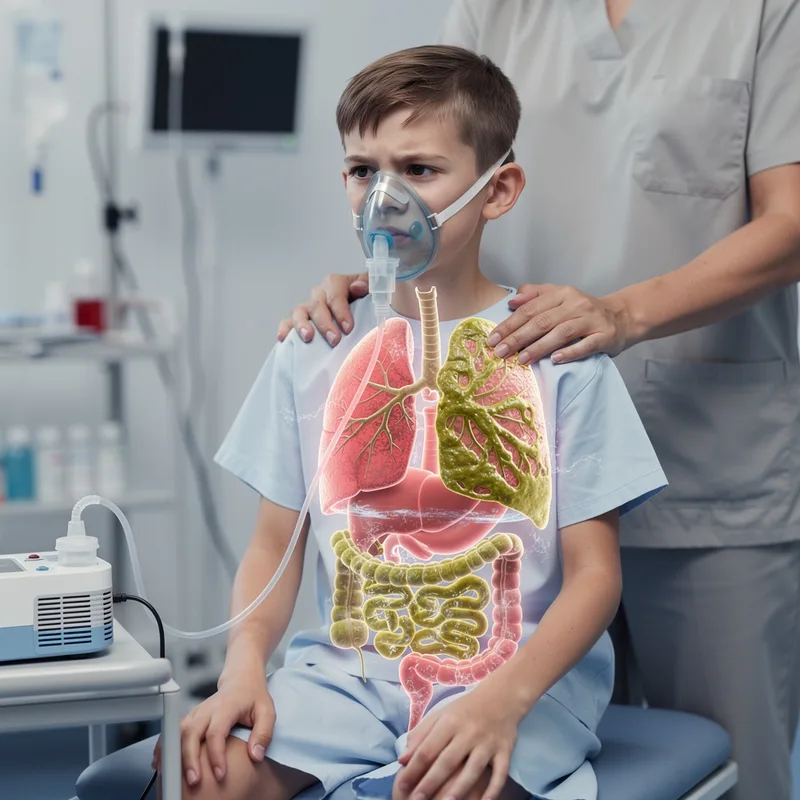
cystic fibrosis
 6
5.0
6
5.0

- noun
- /ˈsɪstɪk faɪˈbroʊsɪs/
- Specialized
- Several genetically based diseases can now be identified, such as Down syndrome, Tay-Sachs disease, sickle cell anemia, cystic fibrosis, and Huntington's disease.
- cystic fibrosis outbreak
- cystic fibrosis patients
- cystic fibrosis center
Loading YouTube…
Watch on YouTubeMaybe we should do simple diseases like sickle cell and muscular dystrophy and cystic fibrosis and Tay Sachs Huntington's.
- Maybe we should do simple diseases like sickle cell and muscular dystrophy and cystic fibrosis and Tay Sachs Huntington's.
- And he, you know, he's a young man that has cystic fibrosis and he, you know, he's been on the transplant list for lungs.
- If this space caused a disease like cystic fibrosis, well, we can, we can rub it out, we can change that back to to to normal.
Examples
-
I speak to several groups about cystic fibrosis as well as my bouts with depression.
Blog text (13) -
Patients with cystic fibrosis were excluded from the study.
Academic text (2003) -
When you have cystic fibrosis, so much is taken from you.
-
After that, they were tested for cystic fibrosis.
Academic text (1999) -
I have cystic fibrosis.
-
Like all kids with cystic fibrosis, I was born terminal, which doesn't necessarily mean I'm gonna die tomorrow, but I could die tomorrow.
-
Perhaps the best-known example is that of cystic fibrosis, a debilitating genetic disease that impairs breathing and digestion.
Blog text (31) -
Other ailments, such as high blood pressure, failing kidneys, and cystic fibrosis, cannot be cured and require continuous use of medications or organ transplants.
Academic text (2012) -
Today, more than 30,000 people are living with cystic fibrosis in the United States.
-
The average lifespan for people with cystic fibrosis is about 37 years.
Synonyms
 17
4.9
17
4.9
A disease you inherit that causes thick mucus to build up in the lungs, intestines, and pancreas

A serious inherited disease that makes thick mucus block the lungs, intestines, and pancreas
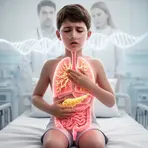
An inherited illness that makes thick mucus and causes breathing and digestion problems
Surface Forms
Morphology
The term is compositionally built from medical morphemes: 'cystic' (relating to cysts) + 'fibrosis' (excess fibrous tissue), so a learner who knows both parts could infer it denotes a pathological condition involving fibrous changes and cysts. However, it refers to a specific hereditary disease with particular organs affected and clinical implications that are technical and not fully predictable at B1, so the full meaning would likely remain unclear to such learners.
Etymology
Cystic fibrosis comes from two parts: cystic, meaning small sacs called 'cysts', and fibrosis, meaning 'scar' tissue that makes parts hard. In this disease, thick, sticky mucus causes tiny cysts and scarring in the lungs and pancreas, so the name describes how the organs become clogged and damaged.