
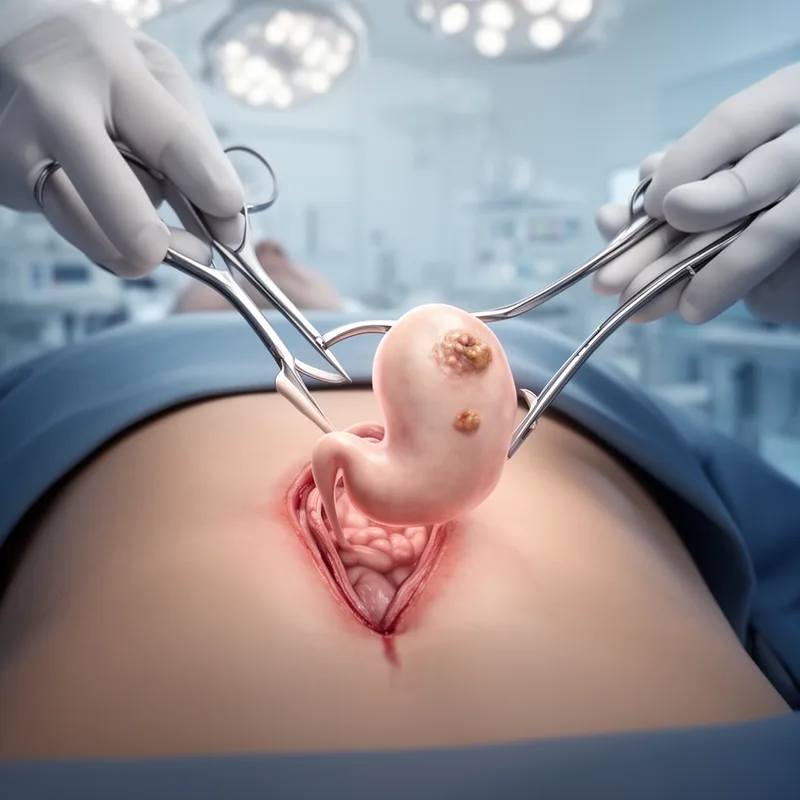
cystectomy


 1
8.1
- noun
- /sɪˈstɛk.tə.mi/
- Specialized
- After the diagnosis of bladder cancer, the doctor recommended a cystectomy to remove the affected tissue.
- radical cystectomy
Examples
-
Depending on the general health of the patient and the extent of spread, in the UK the surgeon may recommend removal of the bladder (cystectomy) and any surrounding tissues that have been invaded.
Academic text (2011) -
It has been estimated that the use of platinum-based chemotherapy before either radical cystectomy or radical radiotherapy can lead to an improvement of 5% in overall survival at 5 years.
Academic text (2011) -
The optimum management remains controversial: the standard therapy in many countries is cystectomy (removal of the bladder), but some non-randomised studies suggest that external beam radiotherapy offers similar rates of survival.
Academic text (2011) -
Many patients opt for a cystectomy when bladder diseases threaten their long-term health.
-
During the surgery, the surgeon explained that a cystectomy was necessary to ensure the patient's survival.
How Extensive
- Specialized
1
8.1

- Specialized
2
7.9
Surface Forms
Morphology
Etymology
Cystectomy comes from Greek parts cyst meaning 'bladder' and -ectomy meaning 'cut out', the same -ectomy you see in appendectomy. So a cystectomy is 'cutting out the bladder', which is why it means removing all or part of the urinary bladder.