
cyclase


 1
9.1
- noun
- /ˈsaɪkleɪs/
- Specialized
- Researchers are studying how guanylate cyclase activates to regulate blood pressure.
- adenylate cyclase
Examples
-
Fluoride ions inhibit adenylate cyclase, affecting calcium signaling in heart cells.
-
And once that is bound, adenylate cyclase can do its biochemistry.
-
So then that's the question, are they actually in a row further down for your cyclases without any C Dom?
-
So nitric oxide can activate guanulate cyclase to produce cyclic GMP.
-
Then it simply stimulates a particle guanylate cyclase to generate cyclic guanosine monophosphate.
Blog text (34) -
Our model for ethanol stimulation is that ethanol, in some way, activates Gas to stimulate adenylyl cyclase to produce cAMP.
Academic text (2017) -
In addition to causing hypocalcemia, fluoride ions are believed to be directly toxic to myocardial cells by inhibiting adenylate cyclase.
Academic text (2015) -
Adenylate cyclase catalyzes the conversion of ATP into cyclic AMP in various biological processes.
Surface Forms
Morphology
Etymology
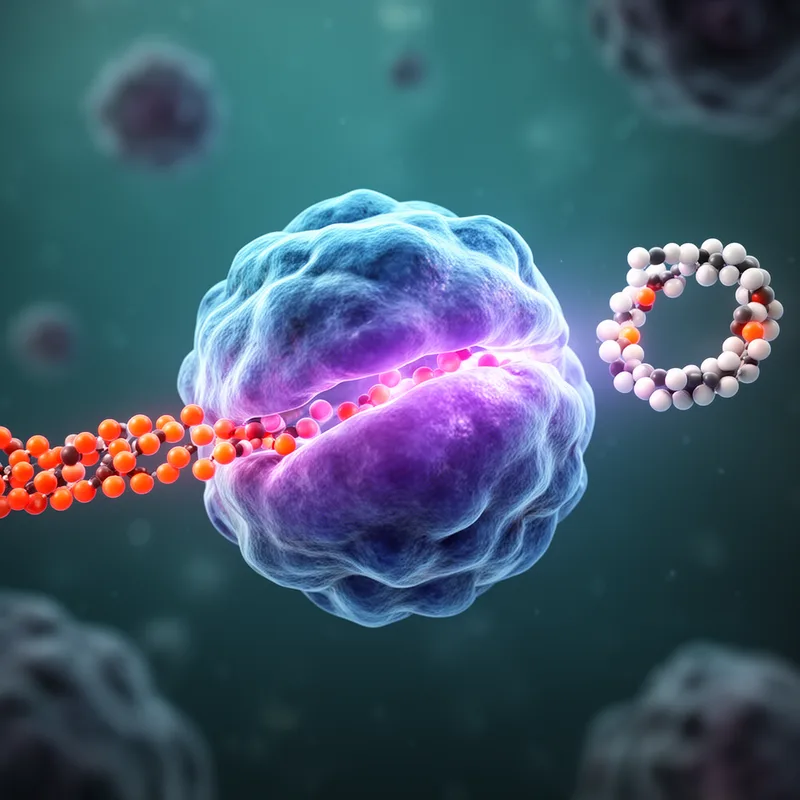
Cyclase comes from the root cycl- meaning 'circle', as in cycle, plus the enzyme ending -ase like in lactase. So a cyclase is an enzyme that helps a molecule close into a ring or 'circle', which is why it makes cyclic compounds.