
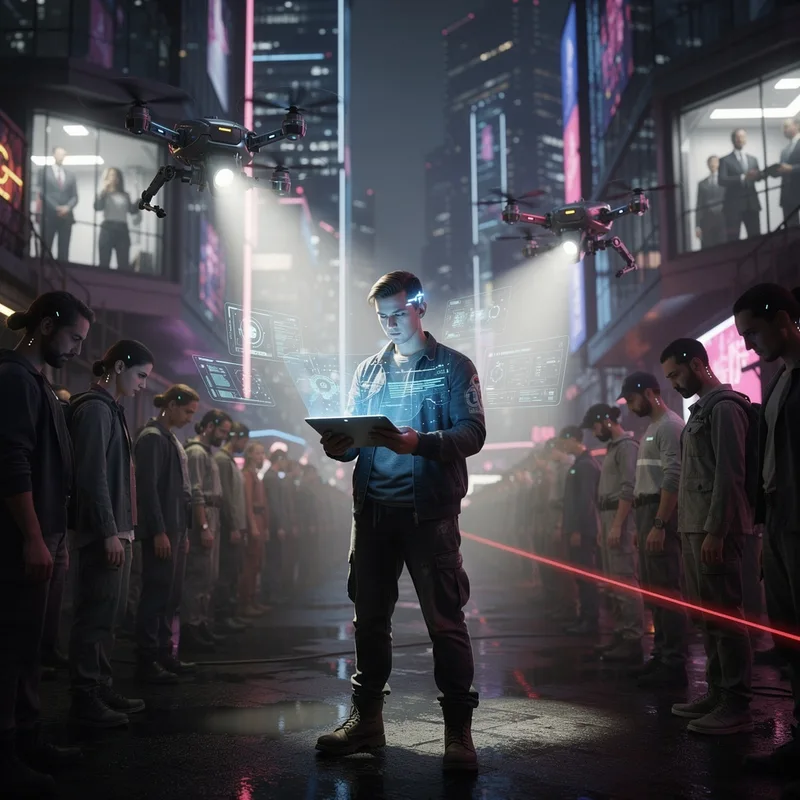
cyberpunk
 4
8.9

- noun
- /ˈsaɪbərˌpʌŋk/
- Literature
- cyberpunk authors
Loading YouTube…
Watch on YouTubeSometimes mystery, sometimes things called cyberpunk and slipstream and the grim and the weird.
- Sometimes mystery, sometimes things called cyberpunk and slipstream and the grim and the weird.
- Apparently it's incredibly unique fantasy, sci-fi, kind of mix, kind of cyberpunk, something like that.
- So that includes fantasy, sci-fi, horror, alternate history, cyberpunk, all sorts of other genres that fit in there as well.
Examples
-
A lot of the effective cyberpunk writing was very critical of American politics because it was basically Canadian.
-
But in cyberpunk, of course, this is kind of also connected to the idea that machines are essentially objects, not subjects.
-
In cyberpunk literature, the appeal of virtual worlds is often linked to a breakdown of real-world society.
Academic text (1997) -
The creators promise that "Cyberpunk 2077" will be true to the essence of the cyberpunk genre.
Blog text (10) -
William Gibson is regarded as the godfather of cyberpunk; other authors include John Brunner, Neal Stephenson, and Bruce Sterling.
Academic text (1997) -
Netflix's series Altered Carbon is a prime example of modern cyberpunk fiction with its dystopian themes and advanced technology.
-
The dark, gritty world of cyberpunk stories often features characters battling oppressive societal structures while navigating high-tech landscapes.
-
Writers like William Gibson have defined the cyberpunk genre by blending technology with societal critique in their narratives.
Surface Forms
Morphology
Etymology
Cyberpunk joins cyber, meaning 'computers' or 'computer control', and punk, meaning 'rebel' or 'troublemaker'. So a cyberpunk story shows advanced technology, hackers, and harsh, unfair futures where outsiders fight powerful companies.