
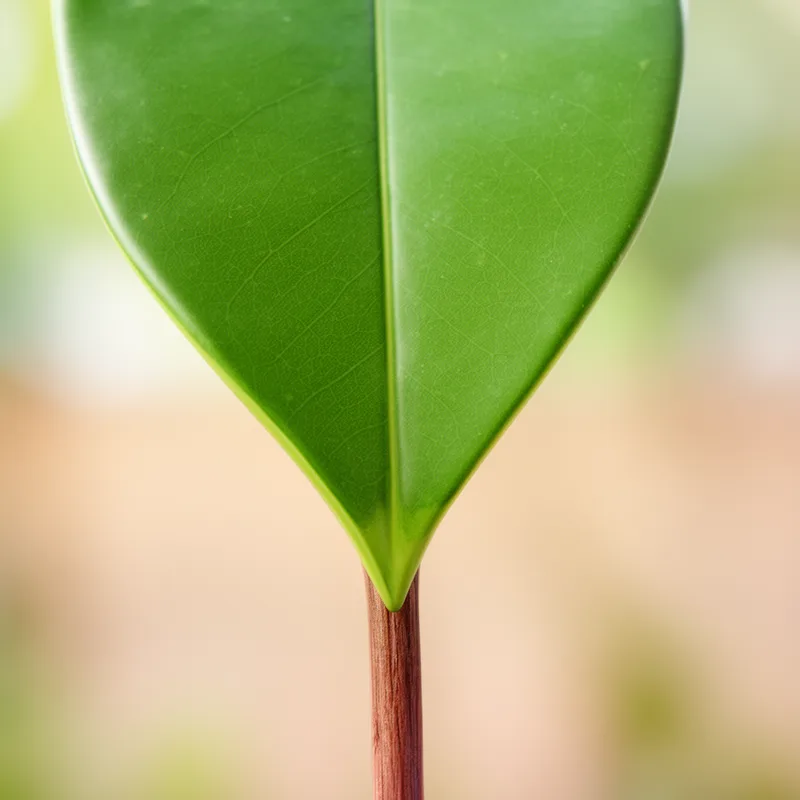
cuneate
- adjective
- /ˈkjuːniˌeɪt/
- Specialized
- The botanist noted the cuneate base of the leaf in her report.
Examples
-
The petal margins taper into a cuneate base connecting to the stem.
-
Oak leaves are often lobed, but some have a distinctly cuneate shape.
-
Look at that cuneate leaf shape!
-
The cuneate leaves are beautiful.
-
The oak tree has cuneate leaves that taper elegantly toward the stem.
-
In her research, she described the unique cuneate shape of the plant's leaves.
-
The cuneate leaves of the species allow them to capture sunlight efficiently.
Synonyms

 1
3.9
1
3.9

Wide at one end and narrowing to a point at the other

Shaped like a wedge
Compounds

How Wedge-shaped

Surface Forms
Morphology
cuneate = cune + ate
Formed from a Latin combining form 'cune-' (wedge) plus the learned suffix '-ate'; the root is not a productive or recognizable English word, so learners cannot derive the meaning transparently.
Etymology
Cuneate comes from the Latin root cuneus, which means 'wedge'. Think of a small wedge or doorstop: a cuneate leaf is 'wedge-shaped', wider near the tip and tapering toward the base.