
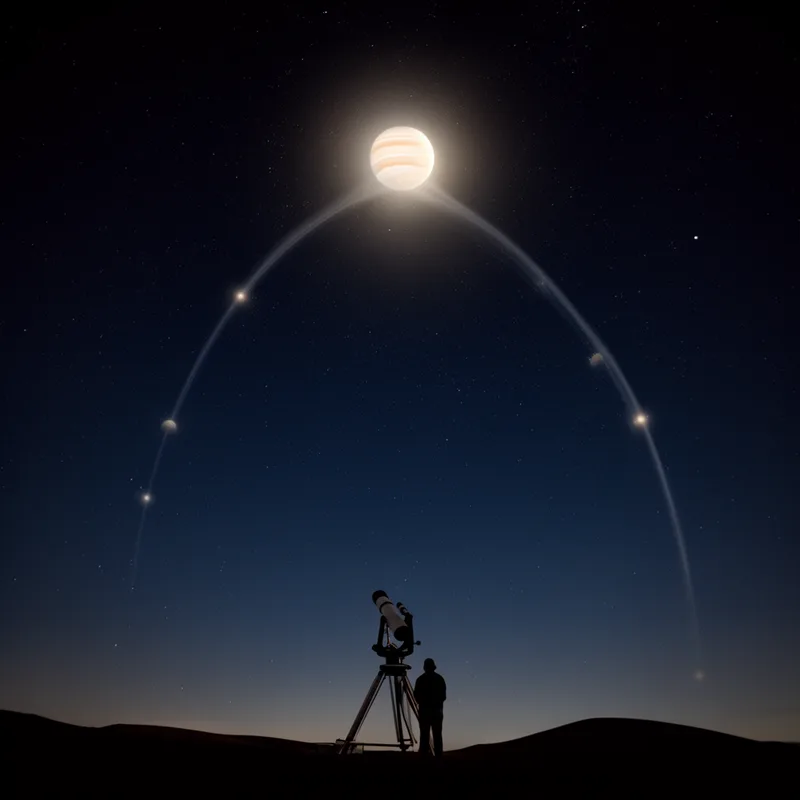
culmination
- noun
- /ˌkʌl.məˈneɪ.ʃən/
- Specialized
 :
culminación
:
culminación
- The culmination of the observation occurred when the Moon reached its highest point in the sky.
Examples
-
As the Sun moved toward its culmination, astronomers noted its precise position in the sky.
-
At the culmination of our attack, standing at the observation posts and looking back at our cells, a strange quietude gripped us.
Fiction book (2002) -
Russ has reached a sort of culmination; this is his highest point above the old horizon line, and it's only natural for him to wonder how he got to be sitting here in a television-blue shirt, careful not to talk too much.
Fiction book (1992) -
The Space Telescope represents the culmination of astronomers' dreams, the fulfillment of hopes borne for a generation or more, ever since the time that rockets first offered us the chance to place instruments above the veil of the Earth's atmosphere.
Academic text (1990) -
The culmination of the planet's visible journey marks the moment it is highest above the horizon.
Surface Forms
Morphology
Etymology
Culmination comes from the same root culmen, 'top' or 'summit', and in astronomy it names the moment a star or planet reaches its highest point above the horizon, when it is literally 'at the top' of the sky.

