

cudweed
- noun
- /ˈkʌdˌwid/
- Specialized
- Some gardeners deliberately plant cudweed for its unique woolly appearance.
Examples
-
The cudweed blooms beautifully in the summer.
-
We noticed patches of cudweed growing along the roadside.
-
Cudweed thrives in poor, sandy soil and requires minimal maintenance.
-
Many cudweeds thrive in sandy soil.
-
The gardener planted cudweed among the other wildflowers to add texture and color to the sandy soil.
-
In dry regions, cudweed can often be found thriving alongside other hardy plants.
-
The soft, woolly leaves of cudweed make it easily recognizable in the wild.
Synonyms
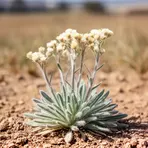
A small rough plant that has soft hairy leaves and pale flower heads

A small woolly plant that grows in dry, sandy places

A small woolly plant in the daisy family that grows in dry, sandy places
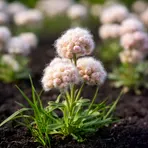
A small plant with tight groups of soft woolly flowers

A North American plant with soft, woolly, white flowers or leaves

A small plant with woolly leaves and pale white flowers in damp shady woods
Compounds
Surface Forms
Morphology
Etymology
Cudweed puts together cud, meaning 'food cows chew again', and weed, a wild plant. A helpful way to remember it is that the plant's small, woolly flower heads look like little balls of 'cud', so cudweed is the name of a soft, woolly wild plant often found in dry, sandy places.

