
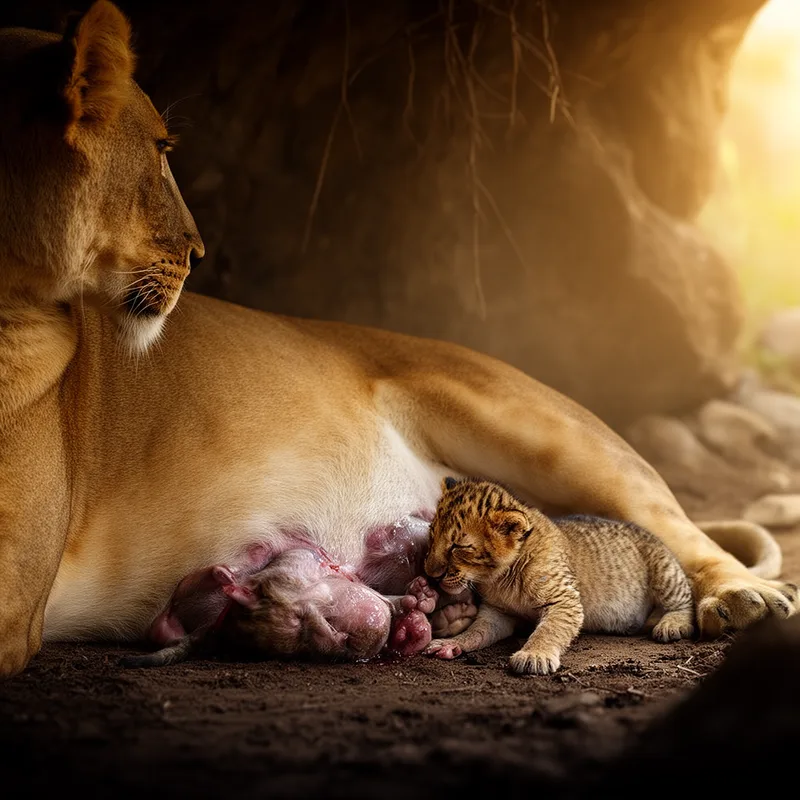
to cub
7.5
To give birth to young animals like a bear or lion
- verb
- /kʌb/
:
parir
- The lioness will cub in the spring after a gestation period of about 110 days.
Examples
-
Many animals, including tigers and polar bears, cub at different times of the year.
-
After much anticipation, the bear finally cubbed a litter of adorable cubs.
-
Oh, dry up, you cub.
-
You ought to smarten up, cub.
-
You should get a bear, have let it have Cubs and then teach it the right way to parent because you're such a good dog dad.
Synonyms
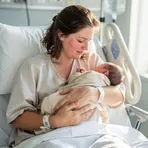
to bear
vsto cub
 ∞
6.2
∞
6.2

To give birth to a child or produce fruit
refers to giving birth by certain large mammals specifically
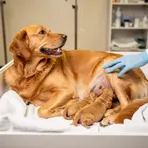
to pup
vsto cub
3
7.9
To give birth to baby dogs
refers to giving birth by certain large wild mammals

to lamb
vsto cub
1
7.0
To give birth to a young sheep
refers to giving birth by certain large wild mammals
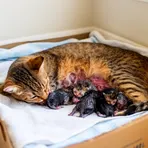
to kitten
vsto cub

 1
7.0
1
7.0
To give birth to baby cats
refers to giving birth by certain large wild mammals

7.2
To give birth to puppies or young animals like seals
refers to giving birth by certain large wild mammals
9.9
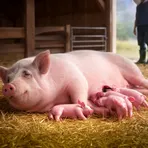
To give birth to baby pigs
refers to giving birth by certain large wild mammals
Compounds



Surface Forms
Etymology
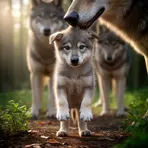
Cub as a verb comes from the noun cub and means 'to give birth to cubs', so to say an animal will cub is to say it will have its baby animals.