
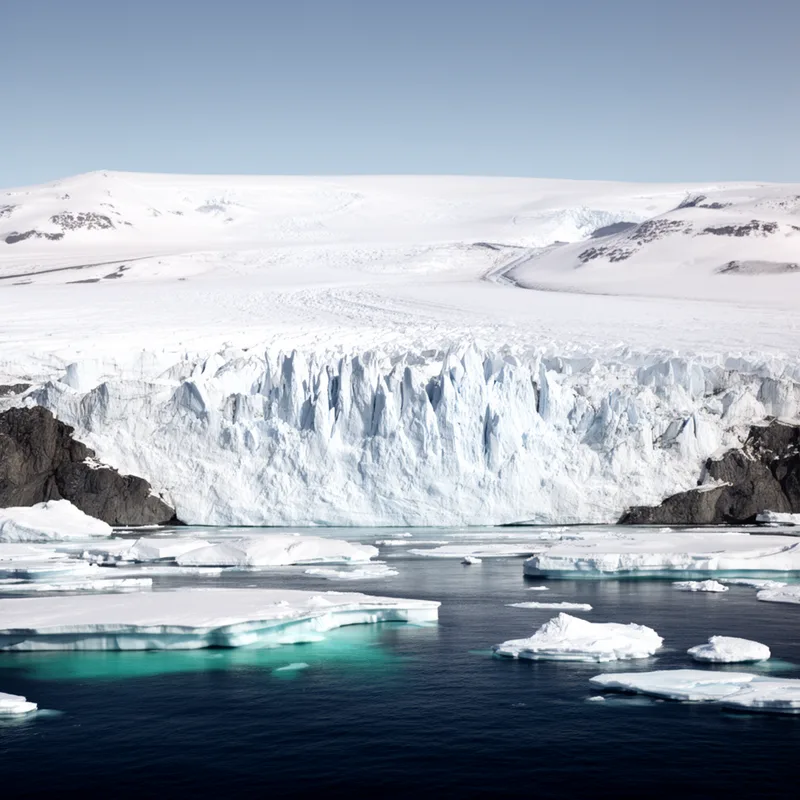
cryospheric


 1
9.9
- adjective
- /ˌkraɪoʊˈsfɪrɪk/
- Specialized
- Engineers are developing new technologies to monitor cryospheric changes in the Arctic regions more effectively.
Examples
-
The scientific study of climate change includes analyzing cryospheric conditions like glaciers and sea ice.
-
The center manages and distributes cryospheric data from the National Aeronautics and Space Administration, the National Science Foundation, and the National Oceanic and Atmospheric Administration. BOEM is one half of the agency formerly known as the Minerals Management Service.
Academic text (2012) -
Understanding the impacts of warming temperatures on cryospheric regions is vital for predicting future sea level rise.
Surface Forms
Morphology
cryospheric = cryosphere (semi-transparent) = cryosphere + ic
Formed by the regular adjectival suffix '-ic' on 'cryosphere'; the morphological relation is regular but 'cryo-' and 'cryosphere' are technical, so the meaning may not be obvious to average learners.
Etymology
Cryospheric comes from the Greek root cryo- meaning 'cold' and the part -sphere, the same -sphere in atmosphere, meaning 'area' around the Earth. So cryospheric describes the Earth's frozen layer, like ice caps, glaciers, sea ice, and permafrost.