
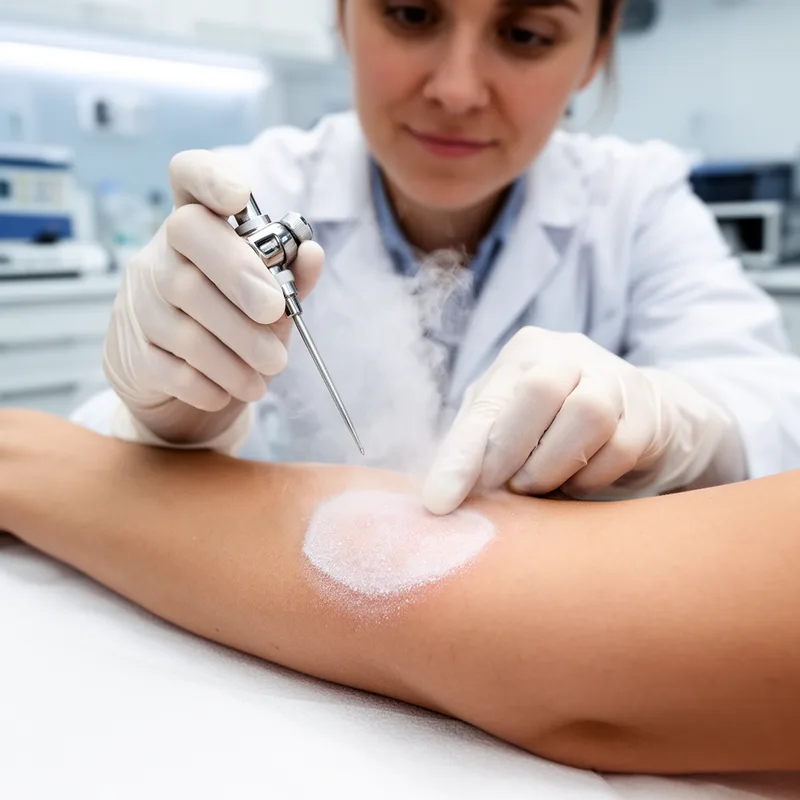
cryoanesthesia
- noun
- /ˌkraɪoʊəˈniːsθə/
- Specialized
- The surgeon used cryoanesthesia to numb the area before removing the wart.
Examples
-
Modern dermatology sometimes relies on cryoanesthesia for minor skin procedures.
-
Because of her sensitivity to regular anesthesia, cryoanesthesia was chosen for her treatment.
-
The doctor used cryoanesthesia during the procedure.
-
Patients often prefer cryoanesthesia for minor surgeries.
-
The surgeon used cryoanesthesia to numb the patient's skin before starting the operation.
-
Patients often prefer cryoanesthesia during dermatological treatments because it minimizes discomfort.
-
In certain surgeries, cryoanesthesia is applied to effectively reduce pain in the targeted area.
Synonyms
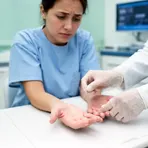
A reduced feeling in part of the body often caused by nerve damage
Antonyms
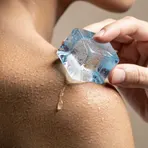


How Numb

Surface Forms
Morphology
cryoanesthesia = anesthesia (semi-transparent) = cryo + anesthesia
The meaning is predictable as 'cold' + 'anesthesia', but the combining form 'cryo-' is a specialized/less familiar medical prefix for many learners.
Etymology
The word cryoanesthesia combines the parts cryo- ('cold') and anesthesia ('no feeling'). Like cryotherapy and anesthetic, it means using cold to make an area lose feeling. That's why doctors use it to numb the skin before small procedures.