
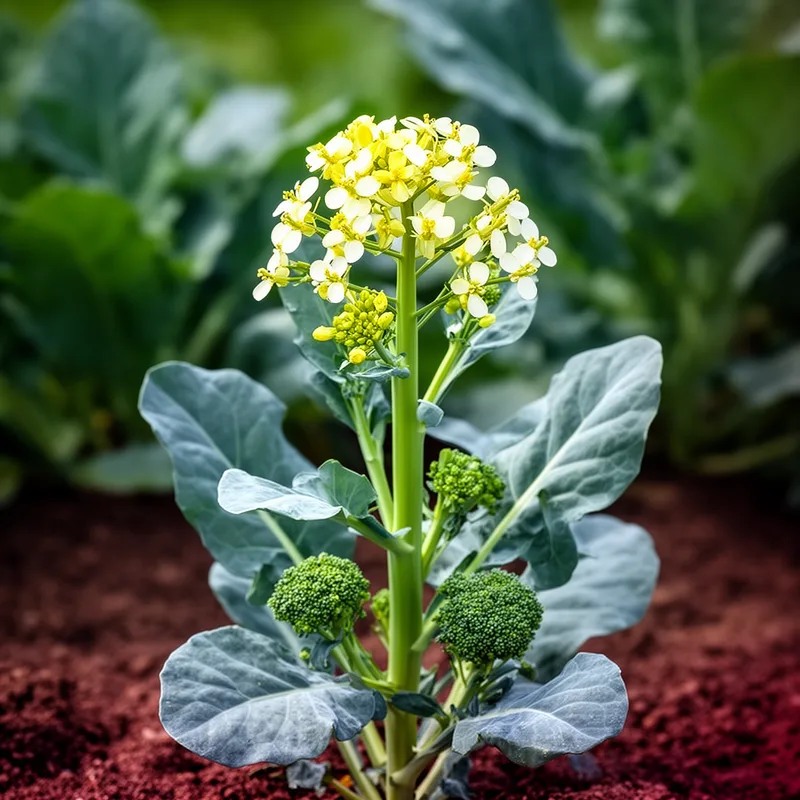
cruciferous plant
- noun
- /ˌkruːsɪˈfɪrəs plænt/
- Specialized
- Eating a cruciferous plant like broccoli can provide important nutrients and antioxidants.
Examples
-
Scientists have studied the cancer-fighting properties of many cruciferous plants.
-
Cabbage, kale, and cauliflower are all examples of a cruciferous plant.
-
A cruciferous plant like broccoli is rich in vitamins.
-
Many cruciferous plants are known for their cancer-fighting properties.
-
Eating a variety of cruciferous plants like broccoli and kale can boost your health.
-
Farmers grow many cruciferous plants, such as cabbage and cauliflower, for their nutritious benefits.
-
In her garden, she decided to plant cruciferous plants because they are rich in vitamins.
Synonyms

 2
7.8
2
7.8

A plant like cabbage, mustard, or broccoli
Surface Forms
Morphology
The adjective 'cruciferous' directly describes a type of plant, so the phrase simply means 'a plant that is cruciferous / belonging to the Brassicaceae family.' This is a straightforward adjective + noun composition following common patterns, so a learner who knows both constituent meanings would readily infer the MWE meaning.
Etymology
Cruciferous plant comes from a Latin word that means 'cross' because the flowers often have four petals arranged like a small cross. That's why the name is used for vegetables such as cabbage, broccoli and mustard.