
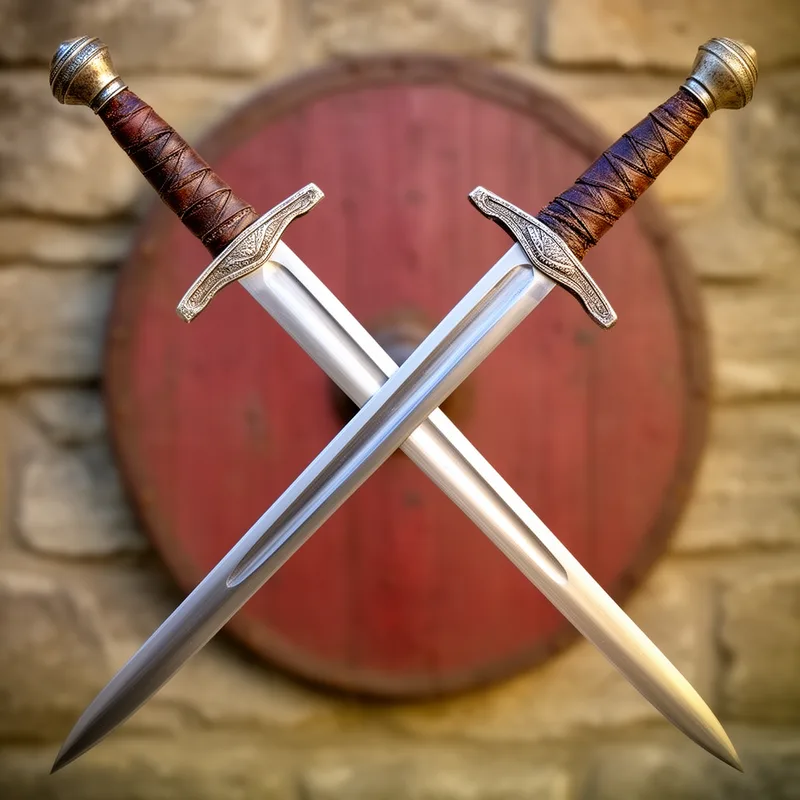
crossed
- adjective
- /krɔst/
- Are you scrouching with your arms crossed, looking at the floor?
Loading YouTube…
Watch on YouTubeAre you scrouching with your arms crossed, looking at the floor?
- Are you scrouching with your arms crossed, looking at the floor?
- So I will see you again tomorrow with fingers crossed, another successful fix.
Examples
-
Their arms are crossed because do you know what that means?
-
So with your strings crossed, you're going to create a four shape.
-
I'm just like eyes crossed, just having a good time.
-
Yeah, but the hands aren't crossed and they're not or akimbo.
-
The artist painted a picture of a crossed pathway, where two roads intersected beautifully.
-
In yoga, the instructor advised to keep your arms crossed in front of your chest for better balance.
-
The fence had crossed boards, creating an interesting visual pattern in the garden.
Synonyms
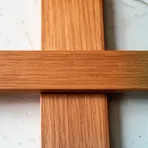
Lying across something at right angles
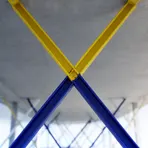
Crossing each other to form an X shape

Covered with lines or paths that go in different directions
Antonyms


Idioms

Compounds

How Intersecting

Surface Forms
Morphology
Etymology
Crossed comes from the old word crux meaning 'a cross' or two lines that meet. Picture two sticks or lines passing over each other, so something 'crossed' lies over another (like crossed swords or arms); that's why we use it for things set crosswise.