
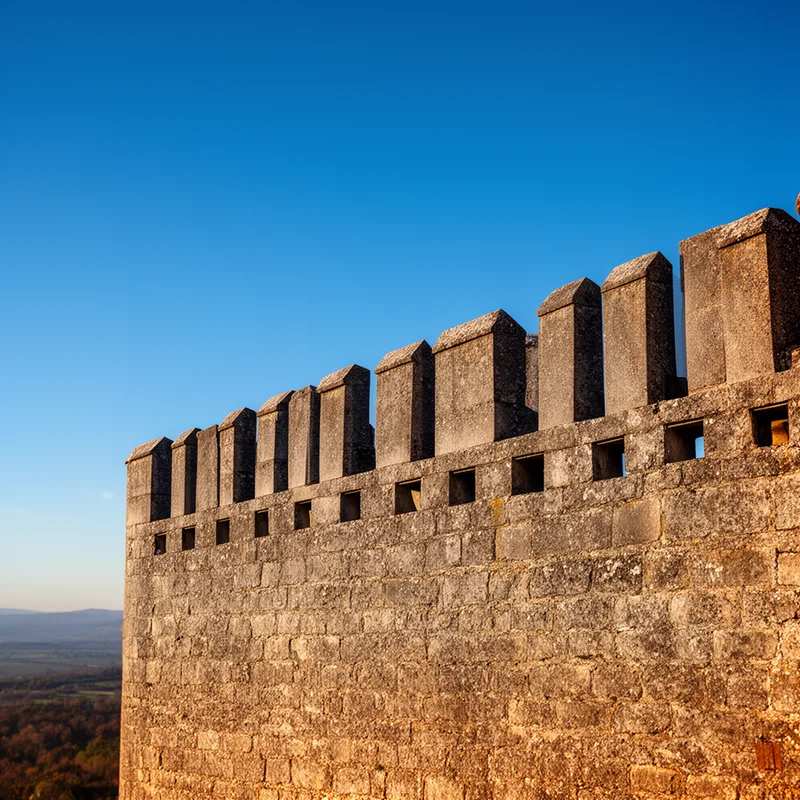
crenelated
- adjective
- /ˈkrɛnəˌleɪtɪd/
- Specialized
- We admired the crenelated design of the ancient fortress.
Examples
-
The architect incorporated a crenelated design into the facade to evoke a sense of historical grandeur.
-
The ancient castle featured crenelated walls that gave it a majestic appearance.
-
Many medieval towers have crenelated parapets to allow defenders to take cover while observing or firing on attackers.
-
The castle had a beautiful crenelated wall.
-
The architect designed a beautiful crenelated rooftop that resembled a medieval fortress.
-
The ancient castle featured a crenelated parapet that overlooked the surrounding landscape.
-
Visitors admired the crenelated walls of the historic building, which added to its medieval charm.
Synonyms
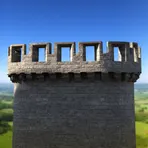
Having a top edge with square gaps like a castle wall
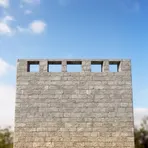
With square gaps along the top like a castle wall

A wall or roof with square gaps along the top like a castle

A building with top walls that have square gaps like a castle
How Notched


Surface Forms
Morphology
crenelated = crenelate (transparent) = crenel + ate + ed
Formed by the verb 'crenelate' + the adjectival/past participle suffix '-ed', so the meaning 'having crenels' is directly derived.
Etymology
The word crenelated comes from crenel, a word meaning 'notch' or small gap, so picture the top of a castle wall like the teeth of a comb. That's why a crenelated wall has a row of square gaps along its top where defenders could stand or hide.