
creatural
- adjective
- /ˈkriːtʃərəl/
 :
creatural
:
creatural
- In his novel, the author explores the creatural aspects of humanity through vivid character descriptions.
Examples
-
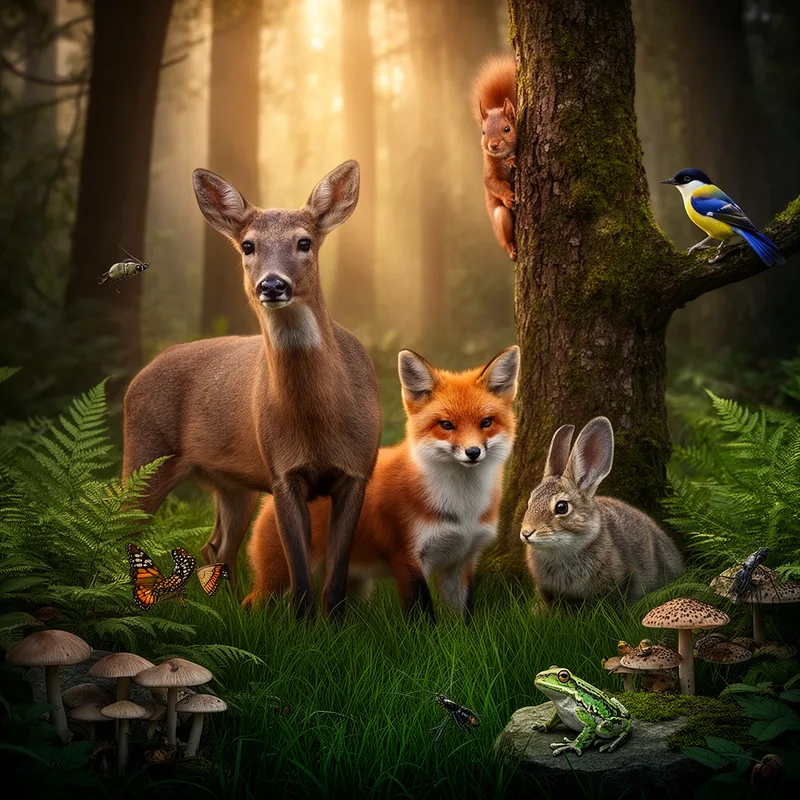
The artist captured the creatural essence of the forest animals in her paintings.
-
To mock such Renaissance concepts, Gongora employs descriptions of what James Iffland, in his study of the grotesque in the works of Quevedo, calls the "creatural" aspects of man (1:62).
Academic text (1990) -
But this poem, you see, requires a certain creatural detail.
-
However, this dangerously pairs animality and humanity on the basis of an unexpected sharing of their creatural characteristic.
Academic text (2017) -
Or, in other words, the ontological difference between God and creatures is such that it isn't a big deal, even if we see this same logic repeated at the level of creatural governance.
Blog text (15) -
The documentary highlights the creatural behavior of various species in their natural habitats.
Synonyms

 15
8.4
15
8.4

Relating to the physical body rather than the spirit


 1
7.3
1
7.3
About the basic physical needs and natural fears of animals and people
Surface Forms
Morphology
Etymology
The word creatural comes from creature, which comes from a root meaning 'to create' and is the same root as create. So creatural refers to the 'created' or living, physical side of animals and people.