
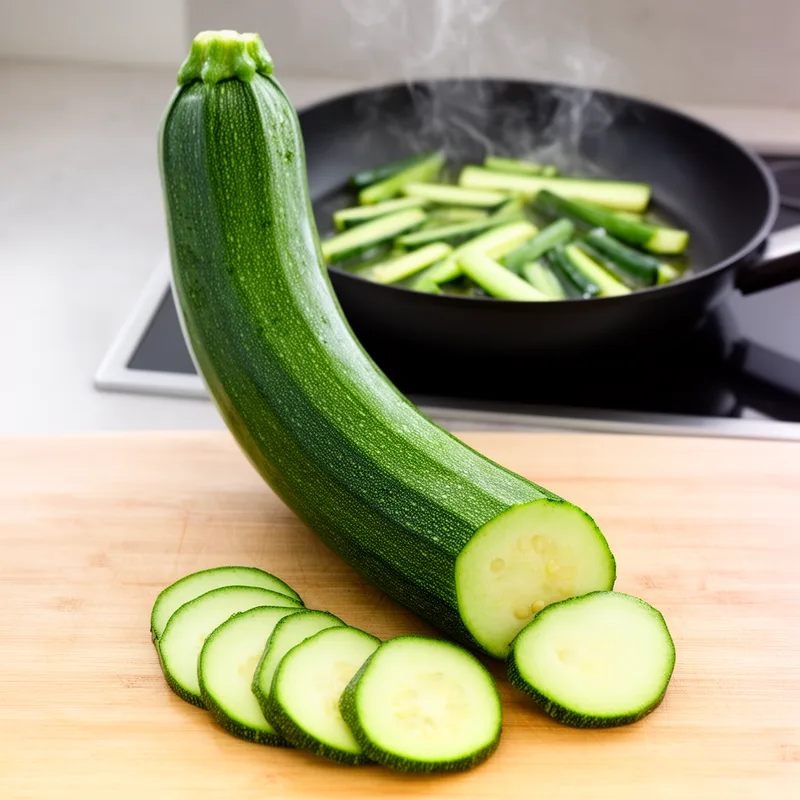
courgette


 1
6.6
1
6.6
- noun
- /zʊˈkiːni/
- UK
- She chopped the courgette and added it to the stir-fry for extra flavor.
Loading YouTube…
Watch on YouTubeThis is the last meal, the last meal to be prepped yes and like I'll eat a whole courgette because there's literally no calories.
- This is the last meal, the last meal to be prepped yes and like I'll eat a whole courgette because there's literally no calories.
Examples
-
We grow peas, courgette (zucchini), tomatoes (2 types), sweet corn, lettuce, etc., and also have pots with herbs in.
Blog text (6) -
And then I'm also adding in another grated carrot and the rest of the courgette grated as well that I used in the sausage rolls.
-
Nice bit of water, bit of courgette pasta.
-
Let's get some things like courgettes, green onions, maybe even small beetroots.
-
We had horrible rain all weekend and high winds, so I didn't get out to pick the beans and courgettes.
Blog text (11) -
All you're going to need is some ready to roll puff pastry, a grated carrot, half a grated courgette, and some sausage meat.
-
I made a delicious salad with fresh courgette, tomatoes, and feta cheese.
-
For dinner, we grilled slices of courgette as a side dish.
Synonyms
 545
1.0
545
1.0
A plant or plant part eaten as food, usually not sweet
 68
1.6
68
1.6
A large edible fruit from plants like pumpkin or zucchini used as a vegetable
 44
1.6
44
1.6
A long green vegetable like a small squash that people usually cook
 43
3.0
43
3.0
A plant food like a carrot or lettuce that you eat
Surface Forms
Etymology
The word courgette comes from the French word courge ('gourd') plus the small ending -ette, so it originally meant a 'small gourd'. In American English the same vegetable is called zucchini, from Italian zucca ('gourd'), which helps explain why both words mean a little squash.