
corona
 1
7.5
1
7.5

- noun
- /kəˈroʊnə/
- Specialized
- The Pope's golden corona is studded with jewels, and it rises like the dome of a gleaming beehive high above his head.
Examples
-
Many of the smaller circular features are coronas or impact craters.
Academic text (1993) -
The coronas indicate that very large magma chambers existed at one time in the subsurface.
Academic text (1993) -
There, in the middle of the microscopic field, was the beautiful egg, still surrounded by its corona cells.
Fiction book (1991) -
It forms the border of the largest volcanic corona.
Academic text (1993) -
The corona is then observable until the microtubules bind, after which it is less visible.
Academic text (2009) -
This area was termed the "corona" by Jokelainen (1967).
Academic text (2009) -
Soviet researchers have christened these webs and their associated coronas arachnoids.
Academic text (1993) -
Called coronas by geologists, these circles are defined by concentric ridges and moats commonly filled with lava.
Academic text (1993) -
A full-grown chapil palm tree can reach 110 feet tall, its corona of forty-foot fronds stretching skyward above the surrounding canopy.
Academic text (2010) -
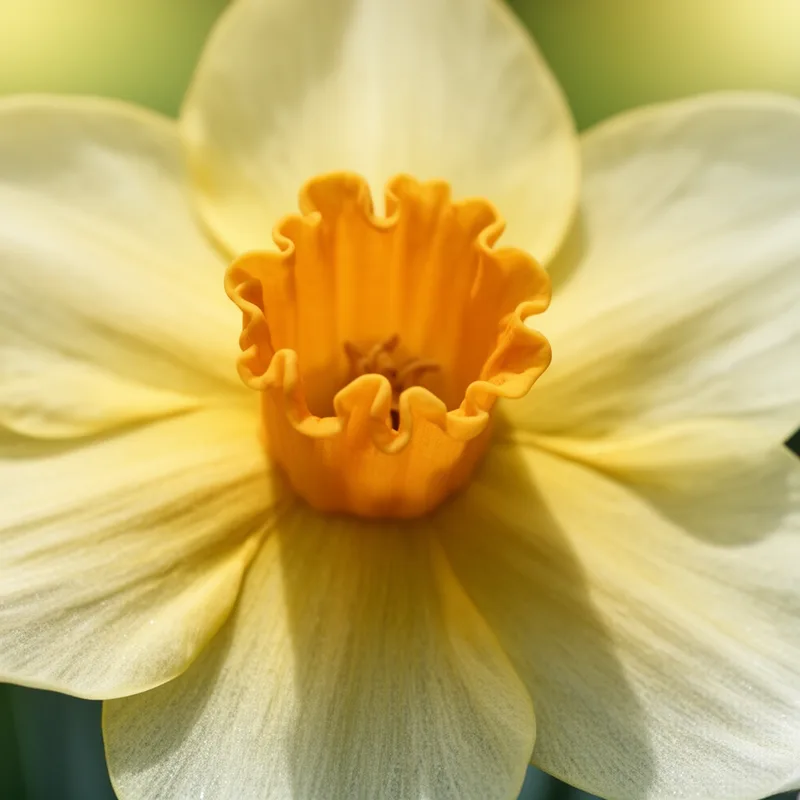
In botany, the corona is the part of the flower that often resembles a crown surrounding the reproductive organs.
Compounds
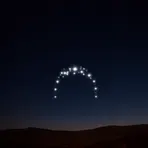
A small group of stars in the northern sky that forms a half circle like a crown
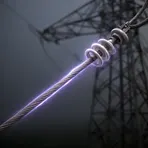
- Specialized
A faint glow around a high-voltage wire when the air becomes charged
How Prominent

Surface Forms
Etymology
Corona comes from the Latin corona, which means 'crown'. It names a crown-like ring or trumpet in a flower or body part, so you can think of it as the little 'crown' that surrounds something.