

coontail
- noun
- US
- Small fish often hide among the leaves of coontail for protection.
- coontail weed
Examples
-
The lake was covered with thick patches of coontail near the shoreline.
-
Gardeners sometimes add coontail to ponds to help control algae growth.
-
The pond is filled with coontail plants.
-
Many fish hide among the coontails in the lake.
-
In ponds, coontail often forms dense mats that provide shelter for small fish.
-
The clear water revealed a lush growth of coontail, thriving beneath the surface.
-
During our fishing trip, we found coontail densely populating the shallows near the bank.
Synonyms

A floating plant that traps tiny water animals like water fleas with snap leaves

A water plant that grows in ponds and slow rivers like the water soldier

A water plant with flat leaves that often float on ponds or slow rivers
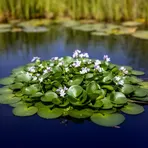
A water plant with round floating leaves and small flowers found in ponds and lakes

Water plants with broad leaves often grown in aquariums
Surface Forms
Morphology
Etymology
Coontail comes from coon 'raccoon' and tail 'tail', because the plant's long, bushy leaves under the water look like a raccoon's tail. So the name helps you remember the plant by its tail-like shape.

