
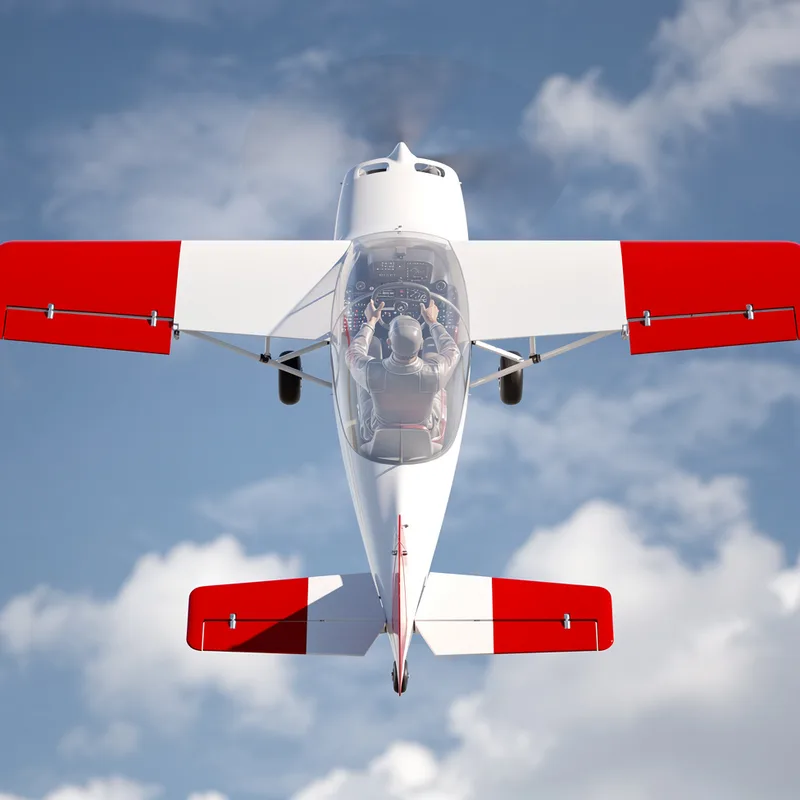
control surface
 1
6.6
1
6.6

- noun
- Specialized
- Other advanced features included control surface trim tabs, autopilot, and deicing boots for the wings and tailplane.
- wing control surfaces
- flight control surfaces
- control surfaces like rudders
Loading YouTube…
Watch on YouTubeThey used the flight control surfaces themselves as the speed brakes.
- They used the flight control surfaces themselves as the speed brakes.
Examples
-
There were two winglike control surfaces projecting upward at thirty-degree angles on either side.
Fiction book (1990) -
Has 8 independent flight control surfaces, and you can make it ready to fly for under $3000.
Blog text (23) -
There is very little that can go wrong with a static control surface like this.
-
Do a check on control surfaces.
-
Data included airplane position, altitude, speed and heading, engine speed, and control surface positions.
Academic text (2004) -
You are connected by pulley and by cable to all the control surfaces.
-
The control surfaces will be integrated with the wing instead of appended to it.
Academic text (2001) -
Aerodynamic balances on aircraft assist the pilot with control surface forces.
Academic text (2009) -
The flight bubble canopy was missing, as was the powerplant, but the frame and control surfaces were all there and still intact.
Blog text (8) -
The pilot adjusted the control surface to stabilize the aircraft during turbulence.
Surface Forms
Morphology
The phrase is a straightforward noun–noun combination: 'control' (to adjust or manage) + 'surface' (an aerodynamic surface), so the meaning 'a surface that provides control' is directly inferable from the parts. Although somewhat technical, this compositional pattern is common across languages and follows normal English noun-compounding, so a B1 learner who knows both words can reasonably understand the term.
Etymology
Control surface links control ('to guide') and surface (a part that meets the air): it is a moving part that changes how air moves around a plane. Think of a rudder or aileron—when the surface moves it pushes air and helps 'steer' or 'keep the plane steady', so the name means a movable part that helps control the aircraft.