
contrabass
- adjective
- /ˈkɒntrəˌbæs/
- Specialized
- The orchestra included a contrabass clarinet, which gave a deep, resonant sound.
Examples
-
The contrabass tuba has a deep, rich sound.
-
He was fascinated by the contrabass flute's unique, rumbling tones.
-
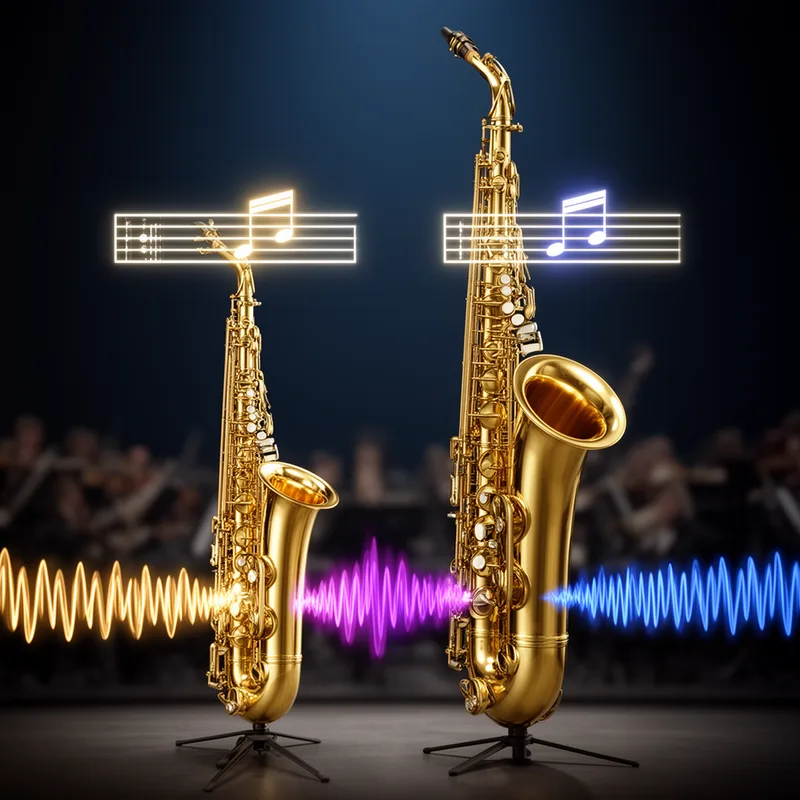
A rare contrabass saxophone was displayed at the instrument exhibition.
-
Does a contrabass saxophone exist?
-
The contrabass flute produces sounds that are an octave lower than the standard flute.
-
During the concert, the contrabass clarinet added depth to the ensemble's rich harmonies.
-
The contrabass voice in the choir provided a solid foundation for the musical arrangement.
Synonyms

Having notes one octave lower than the normal low voice or instrument
How Low
- Specialized


 1
4.1
1
3.7
1
4.1
1
3.7
- Specialized
41
3.7
Surface Forms
Morphology
Etymology
Contrabass comes from the same Italian parts contra- 'below' and bass 'low'. It describes instruments or voices that sound an octave below the normal bass, which is why a contrabass instrument has such a deep, rumbling tone.