

consumer spending
 30
2.7
30
2.7

- noun
- /kənˈsjuːmər ˈspɛndɪŋ/
- Specialized
- WASHINGTON (AP) -- Higher gas prices are crimping consumer spending and slowing the already weak U.S. economy.
- increase consumer spending
Loading YouTube…
Watch on YouTubeYou do because less hiring begets less consumer spending, which begets less hiring.
- You do because less hiring begets less consumer spending, which begets less hiring.
- Those efforts, designed to help businesses keep workers on payrolls and ease the impact of layoffs, kept consumer spending afloat.
- So the strongest parts of the economy are the job market is very strong and the consumers still quite confident in consumer spending strong.
Examples
-
Bernanke's stated purpose in QE2 is to spark consumer spending and thereby reignite the economy.
Blog text (11) -
The rate of growth in consumer spending, however, looks unsustainable.
-
The economic data continues to suggest that housing is helping consumer spending get back on its feet.
Blog text (3) -
The result was that household debt kept growing, as did consumer spending and credit card use.
Blog text (9) -
We're losing billions of dollars in consumer spending already.
-
While unemployment remains high, consumer spending has perked up strongly in the last few months.
Blog text (8) -
Those efforts, designed to help businesses keep workers on payrolls and ease the impact of layoffs, kept consumer spending afloat.
-
Today, GDP is $15.6 trillion, with consumer spending accounting for 71% and capital investment only 12%.
Blog text (4) -
I think, if you look at the economic data, there is a lot of consumer spending.
-
What are you seeing in the economy right now in terms of consumer spending?
Synonyms
 ∞
1.7
∞
1.7
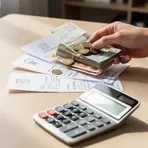
Money used to buy goods and services
 114
5.6
114
5.6
Money that a person or organization spends
Antonyms

Surface Forms
Morphology
The phrase's meaning — spending by consumers/households — is directly and compositionally derived from 'consumer' (buyer/users) + 'spending' (act of paying), so a learner who knows both words can infer it. This noun + gerund/compound pattern is common across languages and standard in English, making the concept immediately comprehensible to a B1 learner.
Etymology
Consumer spending gives a clear picture: a shopper is the consumer and handing over money is spending. So the phrase now means the 'total amount of money families spend on goods and services' in an economy.