
to conserve
 3
5.3
3
5.3

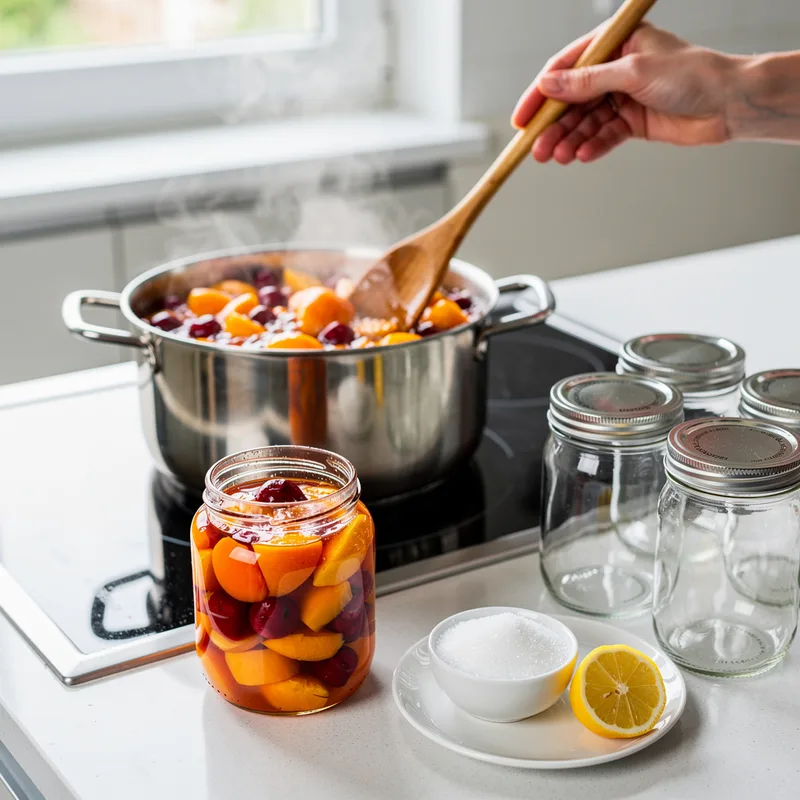
Cook fruit with sugar so it keeps for a long time
- verb
- /kənˈsɜrv/
:
conservar en almíbar
- Akasheh is exploring Petra's 21-square-mile hydraulic system, which collected and conserved the region's scarce rainfall.
Examples
-
At the foot of the garden, she had kept her planting low in order to conserve the view.
Fiction book (1990) -
She made strawberry conserve to spread on her toast in the morning.
-
The instrument was short enough to complete in 20 minutes to conserve workshop time.
Academic text (1998) -
Or maybe it's because we seek to conserve our beloved liberal traditions.
Blog text (15) -
Need to conserve stock.
-
Homemade peach conserve is a delightful treat for those who enjoy sweet preserves.
-
You can enjoy apricot conserve as a topping for pancakes or ice cream.
Antonyms

Surface Forms
conserve infinitive
conserved past
conserved past participle
conserving present participle
conserves third person singular
Etymology
Conserve comes from Latin parts con- ('together') and servare ('to keep'). So to conserve fruit means to 'keep' it safe for later by cooking it with sugar, like making jam.