
conservationism
- noun
- /ˌkɒnsərˈveɪʃənɪzəm/
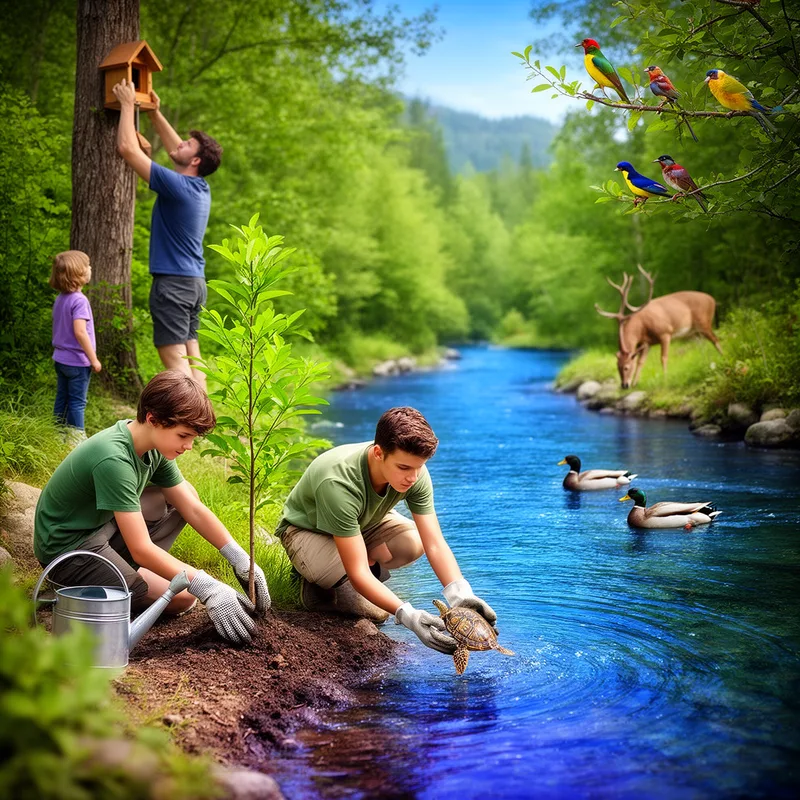
- Through educational programs, they promote conservationism to raise awareness about the importance of protecting wildlife.
Examples
-
But the GOP is a group of RINOs that do not define conservationism in the same way we do and loathe the real conservative section of the party.
Blog text (16) -
As conservationism and other environmental histories have readily shown, environmentalism is not automatically aligned with Native causes and can just as readily oppose them.
Academic text (2017) -
Many scientists advocate for conservationism to ensure future generations can enjoy a healthy planet.
-
The local community organized a clean-up event as part of their commitment to conservationism and preserving natural habitats.
Synonyms

 117
3.5
117
3.5

Protecting and carefully managing nature and natural resources
 10
4.2
10
4.2
Care and action to protect nature from pollution and harm
Antonyms


How Environmental

Surface Forms
Morphology
conservationism = conservation (transparent) = conserve + ation + ism
The word is a straightforward formation from 'conservation' plus '-ism', meaning a doctrine or practice centered on conservation.
Etymology
Conservationism comes from conserve, which means 'to keep safe', and the ending -ism, which means 'a belief or practice'. So conservationism is the belief in protecting nature and natural resources like water, forests, and animals.