
congruency
- noun
- /kənˈɡruːənsi/
- Specialized
 :
congruencia
:
congruencia
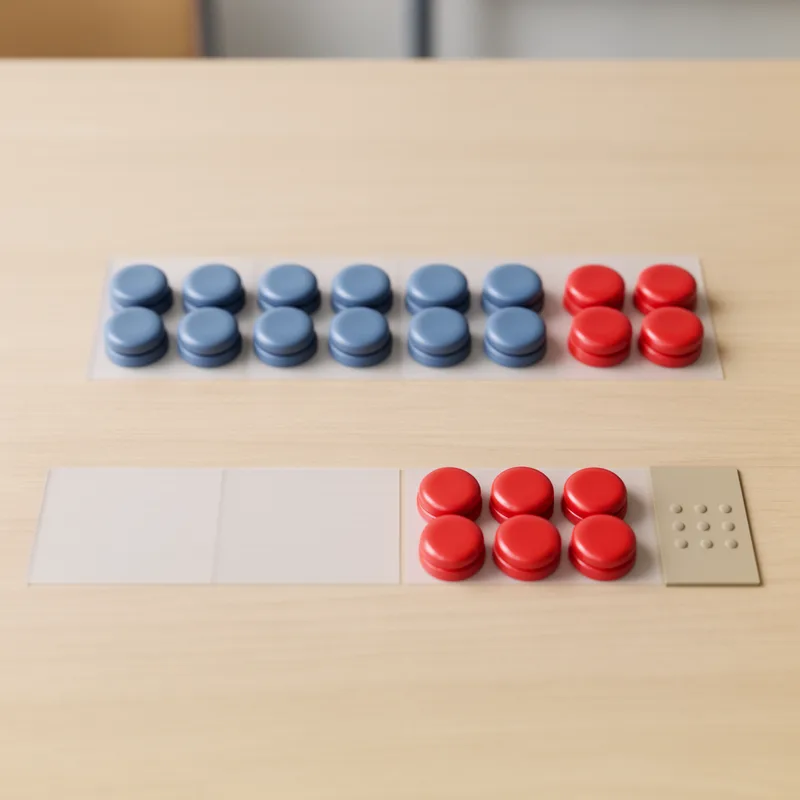
- In modular arithmetic, two numbers are said to have congruency if they leave the same remainder when divided by a specific modulus.
Examples
-
Mathematicians often explore the concept of congruency to understand the relationships between different integers in number theory.
-
Because it is difficult to determine why an event did not occur, I perform congruency tests to determine whether the measured value of the independent variables (i.e., levels of willingness and ability) predicts the observed outcome (i.e., level of nuclear interest) (George and Bennett 2005, 180-81).
Academic text (2018) -
When analyzing data, we check for congruency among the results to ensure consistency in our findings.
Synonyms


 1
6.6
1
6.6
Agreement between ideas or an exact match in size and shape
Surface Forms
Morphology
Etymology
Congruency comes from the Latin congruere, 'to fit together'. In math it means numbers 'match' because they leave the same remainder when you divide by a number, like 14 and 4 when you divide by 5.