

computer
 495
9.5
495
9.5

- noun
- /kəmˈpjuːtər/
- Archaic
- There, machines operating from instructions fed to them by laptop computers slowly extruded plastic to form three-dimensional objects.
- staff of human computers
Examples
-
In the early 20th century, a computer was often a person who calculated complex mathematical problems by hand.
-
Historically, a computer was someone who performed calculations for scientific studies and navigational purposes.
-
In the present study, the sentence was available on the computer screen throughout the trial.
Academic text (2011) -
A computer error unlocked every cell in block three, the last place you want something like that to happen.
-
During sessions two through four, the feedback was presented on the computer after subjects entered their evaluation.
Academic text (1991) -
In addition to library and classroom projects, consider technology classes and after-school computer clubs for programming activities.
Academic text (2011) -
The format was co-developed by Apple Computer and is most commonly used on Apple Macintosh computer systems.
Academic text (2008) -
Conek could hear a soft hum from the unit's computer as it worked hard at some calculation.
Fiction book (1991) -
The case is suitable for use in courses in accounting information systems, computer auditing, and auditing.
Academic text (1999) -
Before electronic devices, a computer referred to an individual who made detailed calculations for various industries.
Synonyms
 1
4.5
1
4.5
A person who calculates how much a job will cost

A person who is very good at working out numbers quickly
Idioms

Compounds

- Specialized
69
2.8
A group of computers and software that work together to store and use data




- Specialized
19
2.8
A group of computers and devices that are connected to share files and printers




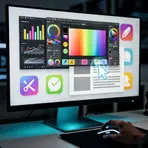

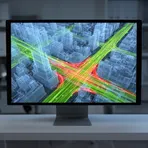


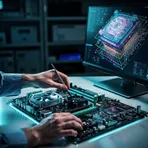
- Specialized
9
3.7
Study and design of computers, programs, and systems that process information


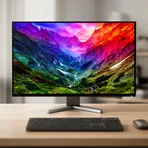


- Specialized
4
7.0
A machine that uses tiny particles' strange behaviour to solve some problems much faster than normal computers



- Specialized
4
4.6
A very large machine that processes large amounts of data for big organizations

- Specialized
3
3.2
A collection of information stored on a computer so people can find and use it

- Specialized
3
2.8
A part of a computer that stores data and instructions for the processor

- Specialized
3
3.7
A machine like a phone or laptop that handles information using the numbers 0 and 1


- Specialized
2
3.1
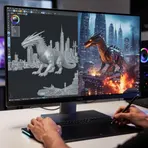
Pictures that computers make and show, like movie effects and video games



- Specialized
1
2.3
Long paper with holes along the sides used in old printers like dot-matrix


- Specialized
1
3.5
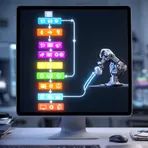
A way of using computer software to make and change detailed plans for buildings or products
- Specialized
1
4.0
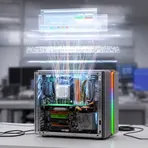
The way a computer's parts and basic software are arranged and work together

- Specialized
1
3.4
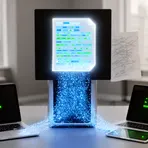
An electric path inside a computer that does a specific job like processing data or storing information
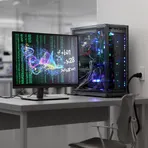
- Specialized
1
2.4
A machine that uses electricity to work with information and do calculations by itself



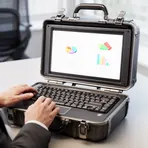
- Archaic
A small suitcase that opens to show a screen and keyboard used as a portable computer

- Specialized
A computer design where the main processor runs many built-in instructions


- Specialized
A device that connects to a computer, like a mouse or printer, but is not inside it


- Informal
A person who knows a lot about computers and helps others fix computer problems

- Specialized
A standard size used to measure computer memory, like a byte or kilobyte
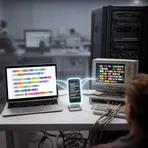
- Specialized
A language used to write programs for a specific kind of computer, like a phone or a large computer
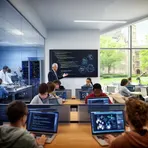
A part of a college or university where people teach and do research about computers and programming
- Specialized
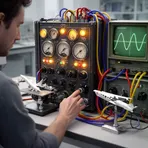
A machine that processes information using physical values that change, like electrical voltages or movements
- Specialized
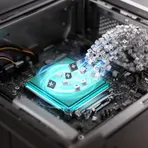
A computer design that uses a small set of simple commands to work faster

- Specialized
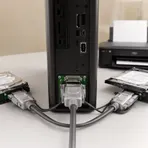
A common way to connect a computer to devices like printers or hard drives
How Fast
- Specialized
28
5.5

- Specialized
6
5.1
- Archaic
495
9.5
81
1.3
- Specialized
75
3.4
Surface Forms
Morphology
Etymology
Computer originally meant a person who worked with numbers. It comes from the verb compute, which means 'to count' or 'to calculate', and the -er ending means 'one who does it', so a computer was someone who 'counts' numbers by hand.