
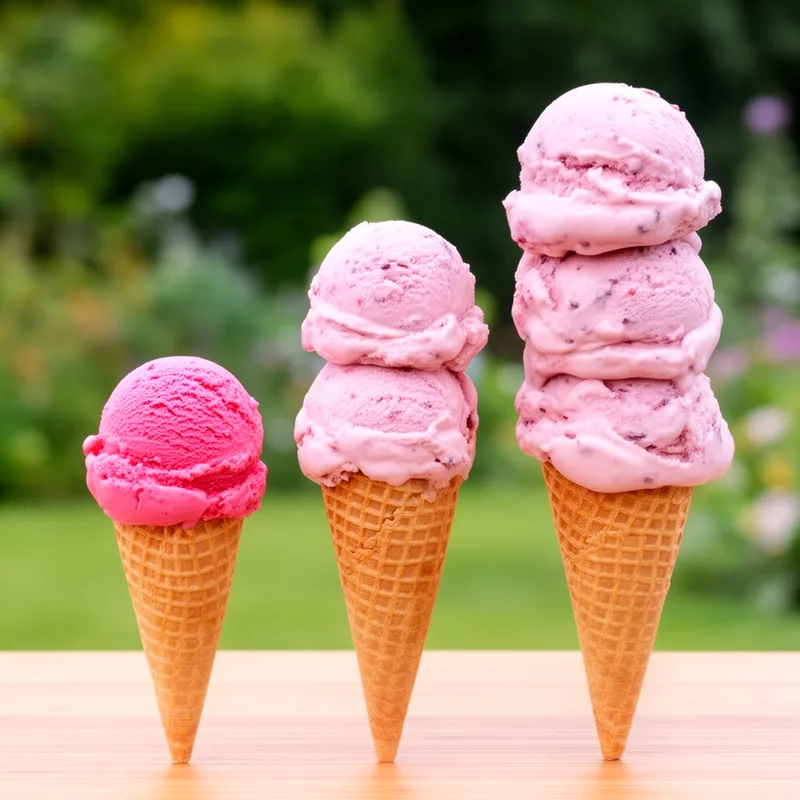
to compare
 24
2.4
24
2.4

- verb
- /kəmˈpɛr/
- Therefore, it is recommended that future research comparing water with land-based interventions should appropriately compare similar methods in both environments.
Examples
-
Are you comparing yourself to Dr. King?
-
The artist's solution is a mathematical innovation: the use of proportions to compare volumes.
Academic text (1995) -
You know what, let's compare them in terms of the size here.
-
I am not comparing you to him.
-
We mustn't compare ourselves to regular people.
-
With such discrepancies reported in data collection, it is not possible for researchers to compare data across studies.
Academic text (2013) -
Circulation is difficult to compare between books that have been on the shelf for varying amounts of time.
Academic text (2015) -
A secondary purpose was to provide a longitudinal analysis by comparing directory information with earlier documents.
Academic text (1994) -
Standardized regression coefficients were computed to compare the relative influence of each variable in the model.
Academic text (1997) -
To measure their performance accurately, we should compare their test scores this year with last year's results.
Surface Forms
Etymology
Compare comes from com- 'together' and par 'equal', and in grammar to compare an adjective you put two things 'together' to show which is 'more' or 'most'.