

common fig
- noun
- /ˈkɑːmən fɪg/
- The common fig grows well in warm climates.
Examples
-
Dried common fig is a popular ingredient in Mediterranean desserts.
-
The common fig thrives in warm climates and produces sweet fruit in late summer.
-
They planted a common fig in the garden, hoping to enjoy fresh figs every year.
-
I love the taste of common figs in desserts.
-
The gardener planted a common fig tree in the backyard to enjoy its sweet fruits.
-
Every summer, we harvest the delicious, ripe common figs from our tree.
-
The common fig is known for its unique flavor and is often used in desserts.
Synonyms

 21
1.3
21
1.3

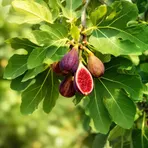
A tree from the Mediterranean grown for its sweet fruit
 8
1.3
8
1.3
A tree that grows sweet pear-shaped fruit you can eat

A Mediterranean tree that makes sweet edible figs
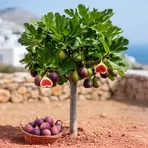
A small Mediterranean tree that produces sweet edible figs
How Common

Surface Forms
Morphology
The meaning is directly derivable from 'common' (typical, frequent) modifying 'fig' (the tree/fruit), so a learner who knows both words will understand this refers to the usual/typical type of fig (the Mediterranean edible fig). This is a straightforward adjective + noun composition found across languages and does not require idiomatic or metaphorical interpretation.
Etymology
The noun common fig names the everyday fig tree people grew and sold in Mediterranean gardens and markets. The word common means 'ordinary' and fig is the sweet fruit, so the name points to the familiar, edible fig tree most people know.