
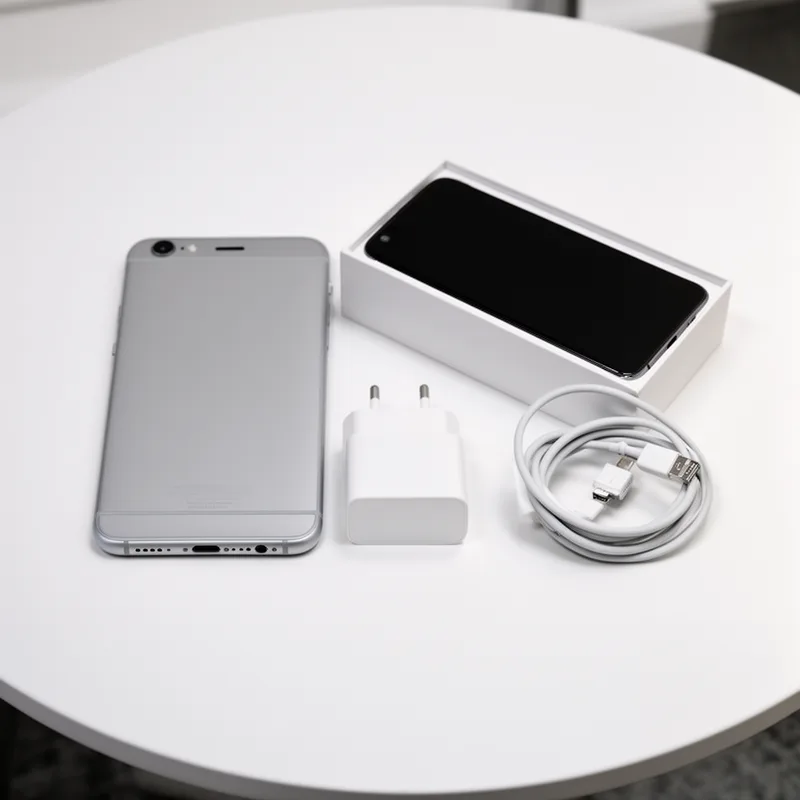
to come with
 164
1.3
164
1.3

- phrasal verb
- /kʌm wɪð/
- The kitchen appliances come with the house.
- comes with software
- comes with a camera
- comes with programs
Loading YouTube…
Watch on YouTubeLastly, this kit comes with Styro goo.
- Lastly, this kit comes with Styro goo.
- But the case didn't come with any intake holes.
- So this is the hole saw that came with that grommet kit.
- It looks like they all come with the same clear gloss and gold.
- So it also came with a jumper.
- This whole outfit is the fact that this jacket comes with matching trousers.
- This I do use the little spoon that it comes with for too much.
- One in the pipe comes with night sights.
- And don't forget the things that don't come with this degree.
Examples
-
This one comes with a free calendar.
-
It comes with a manual in three different languages.
-
These were the instructions that came with this TV stand model.
-
These seats here come with these tables as well.
-
Now it does come with an HDMI cable.
-
Also, our Airbnb came with a guidebook.
-
It comes with tweezers and it does come with a little brush.
-
It didn't come with the robot when it was sold.
-
The new software comes with a user manual that explains all the features.
-
This package deal comes with free shipping and a warranty.
Synonyms
 171
2.2
171
2.2
To be present at the same time as something
 169
2.7
169
2.7
To be connected with a person, thing, or event
 145
3.8
145
3.8
To be present at the same time as something else
Antonyms


Surface Forms
Morphology
The meaning 'to occur as a result of or be associated with' is directly derivable from combining 'come' (to occur/arrive) with 'with' (together/alongside), yielding the sense 'accompany' or 'occur alongside'. This verb + with composition is cross-linguistically common and follows regular English patterns, so a B1 learner who knows both constituents should be able to infer the MWE's meaning.
Etymology
The phrasal verb come with comes from the simple image of things arriving together: one item literally comes with another, like a phone that arrives in a box with a charger. So, come with means 'to be included with' or to accompany something.