
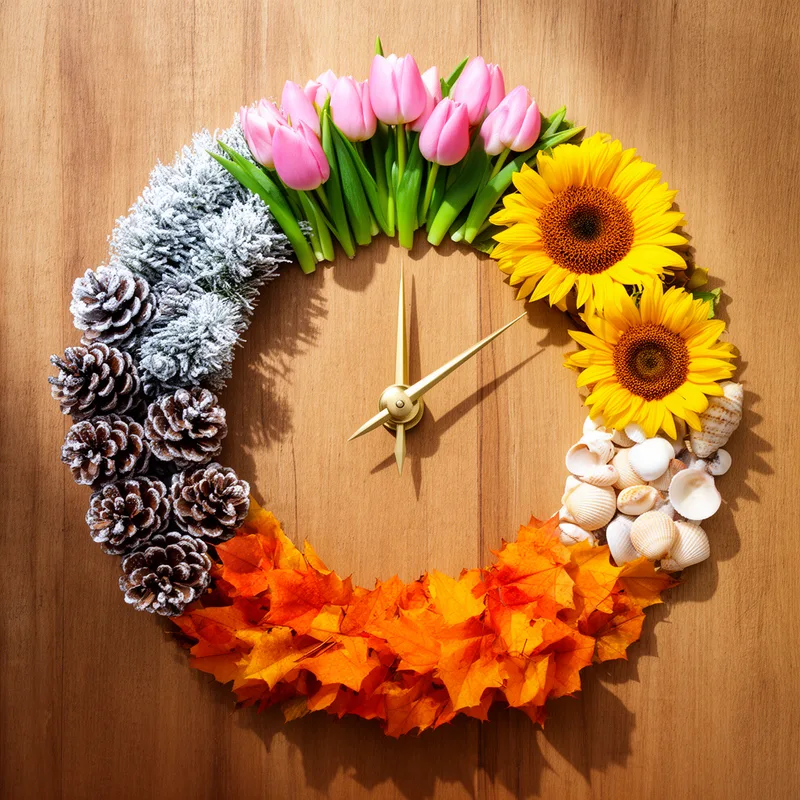
to come around
 35
2.7
35
2.7

- phrasal verb
- /kʌm əˈraʊnd/
- The flu vaccine season seems to come around quicker and quicker every year.
- the season comes around
- come around again
- the time comes around
Loading YouTube…
Watch on YouTubeHere's what I hate when the tray come around and it's communion.
- Here's what I hate when the tray come around and it's communion.
- And the third test came around and she passed.
- And the second test came around, got to make a turn here.
- You know, As Saturday came around, I was nervous but also very excited.
- And then Thursday comes around, I felt a lot better.
- Stock market crashes like this don't come around that often.
- But when one comes around, please cultivate that relationship.
- But that things a lost and come around again.
- First, this proverb, what goes around, comes around.
- They kept those in a fridge until DNA came around.
- And that's kind of how it was mostly until TikTok came around.
- But that full circle came around and I was attacked and had the same people.
- Nope, the special kind of video does not come around every day.
- Hopefully that will come around and they will be safe soon.
Examples
-
And then Thursday comes around, I felt a lot better.
-
Until the weekend comes around.
-
And the third test came around and she passed.
-
So once better things came around, I was out of there.
-
You know, As Saturday came around, I was nervous but also very excited.
-
Another chance will come around, the way winter always gives in to spring.
Fiction book (2000) -
Things will always come around again if you give them time.
Fiction book (2000) -
So by the time, February comes around, I'm a free man.
-
Stock market crashes like this don't come around that often.
-
The flu vaccine season seems to come around quicker and quicker every year.
Synonyms
 ∞
1.0
∞
1.0
Happen or become known after some time
 68
5.7
68
5.7
Happen again, often after some time
 13
3.2
13
3.2
To come again at the usual time, for example each year
 3
3.8
3
3.8
Happen again after some time
How Often

Surface Forms
Morphology
The meaning 'to occur again as part of a regular cycle' is directly derivable from combining 'come' (arrive) with 'around' (in a circular/recurrent sense), so a learner who knows the constituents can infer 'arrive/happen again'. Although 'come around' has other senses (e.g., change opinion, regain consciousness), the cyclical 'happen again' reading follows a transparent compositional pattern found in many languages.
Etymology
Come around uses the words come and around like a clock or the seasons moving in a circle and returning. That's why it means 'to happen again' on a regular cycle.