
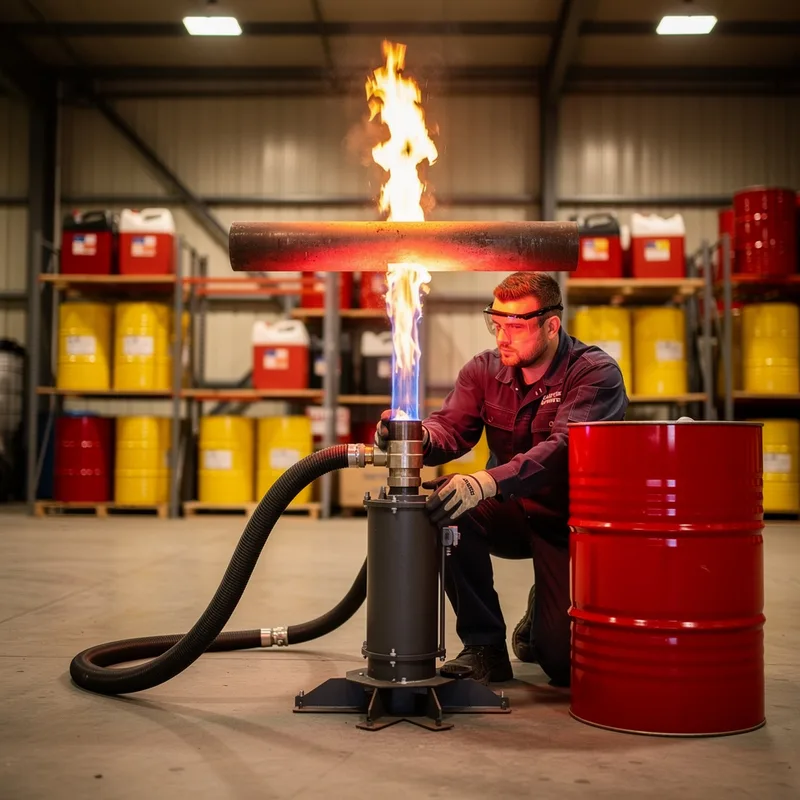
combustible
 2
5.9
2
5.9

- noun
- /kəmˈbʌstɪbəl/
- Always store combustibles in a safe place to prevent accidental fires.
Loading YouTube…
Watch on YouTubeHowever, there are other companies that are not owned by Big Tobacco who could in fact put combustibles out of business faster.
- However, there are other companies that are not owned by Big Tobacco who could in fact put combustibles out of business faster.
Examples
-
The campfire needs some combustible materials to keep burning, like dry leaves and twigs.
-
Biodegradables and combustibles enter the facility in black and white plastic bags, respectively.
Academic text (1998) -
One of the things they do is use this thing called a combustible gas indicator.
-
So this sucks in air here and inside figures out the percent of methane or other combustible gases in it.
-
There's more than enough combustibles here to do it.
-
The primary result of incineration is that combustibles are changed to carbon dioxide and water vapor.
Academic text (2001) -
Lay some very thin twigs, pine needles, or other combustibles on the shelf.
Blog text (20) -
For all housing types except collective housing, the city collected three types of household waste: combustibles, noncombustibles, and recyclable glass bottles and cans.
Academic text (2001) -
The waste amounts to 10,700 metric tons of combustibles and 7,300 metric tons of putrescibles per year.
Academic text (2000) -
In winter, people often use combustibles such as wood and coal for heating their homes.
Synonyms
 1
4.1
1
4.1
A material that can catch fire and burn, like wood or paper
Antonyms
Compounds
How Combustible

Surface Forms
Etymology
Combustible As a noun, combustible comes from the same Latin parts com- ('together') and burere ('to burn') and is related to combustion. So a combustible is simply a material that will burn and is often used for heat or power.