
colluvial
- adjective
- /kəˈluːviəl/
- Specialized
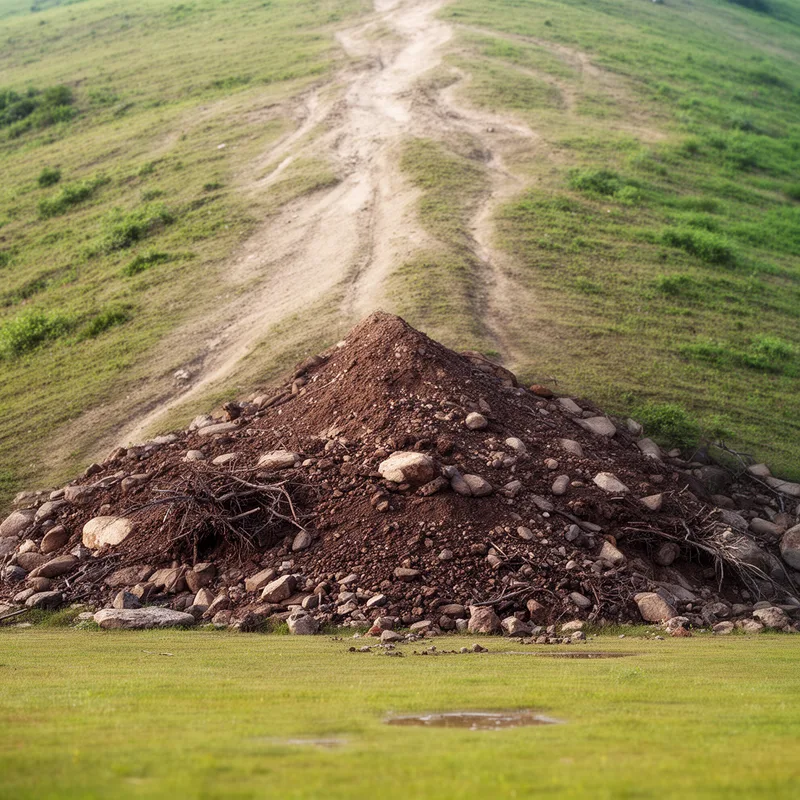
- At the base of the hill, colluvial soil accumulates due to the force of gravity.
- colluvial deposits
Examples
-
Rockfalls are just one of many examples of gravity-driven colluvial transport in areas with relief.
Academic text (2001) -
Soil depths range from 5 to 30 centimeters but are deepest at colluvial sites and in valley bottoms, which are filled with sediment up to 2 meters thick.
Academic text (2002) -
Colluvial movement of hillslope materials or snow involves mostly solid matter but may include substantial amounts of water.
Academic text (2001) -
There, the Late Classic Maya used alluvial and colluvial fills and organic fertilizers with the nearby seasonal water supply as part of their subsistence system.
Academic text (2002) -
It is generally believed that depositional basins at or near their moisture saturation points may promote C stabilization more than aerated colluvial deposits.
Academic text (2007) -
Erosion creates significant, formerly uncounted C sinks; thus, there is a major need to better understand the C-sink potential of erosion in buried soils and the processes that slow the turnover of buried C in alluvial and colluvial soils in different regions.
Academic text (2007) -
The gardener discovered that the plants thrived in the rich, colluvial deposits at the foot of the hill.
-
To understand how soil has been shaped by gravity over time, geologists study colluvial layers.
Surface Forms
Morphology
colluvial = colluvium (opaque) = colluvi + al
The adjective is a regular -al formation from the technical noun 'colluvium', but the base is specialized and unlikely to be recognized by average learners.
Etymology
Colluvial comes from Latin parts col- 'together' and luere 'to wash', giving the image of material being washed or pushed together. So colluvial describes soil and rock that have moved down a slope and collected at the bottom.

