

coccygeal plexus
- noun
- /kɒkˈsɪdʒiəl ˈplɛksəs/
- Specialized
- Injuries near the tailbone may sometimes affect the coccygeal plexus and cause pain.
Examples
-
The coccygeal plexus is important for innervation of the area around the coccyx.
-
Surgeons must avoid damaging the coccygeal plexus during certain lower back procedures.
-
The coccygeal plexus is essential for pelvic nerve function.
-
Can you explain the role of the coccygeal plexus?
-
Injuries near the tailbone may sometimes affect the coccygeal plexus and cause pain.
-
Surgeons must avoid damaging the coccygeal plexus during certain lower back procedures.
-
The coccygeal plexus is important for innervation of the area around the coccyx.
Synonyms
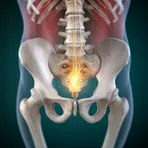
A small group of nerves near the tailbone that sends messages to the lower back and pelvic area
Surface Forms
Morphology
The term simply combines 'coccygeal' (relating to the coccyx/tailbone) with 'plexus' (a network of nerves), so its meaning — a nerve network at the tailbone — follows directly from the constituents. Although anatomical and somewhat technical, the semantic composition is transparent, so a learner who knows both words can infer the MWE's meaning.
Etymology
Coccygeal plexus comes from two older words: coccyx, from a Greek word for 'cuckoo' because the tailbone looks like a bird's beak, and plexus, meaning a 'braid' or 'net'. So the name gives a picture of a small 'braid' or 'net' of nerves by the 'tailbone', which is why it refers to a small network of nerves near the coccyx.

