
coagulable


 1
9.3
1
9.3
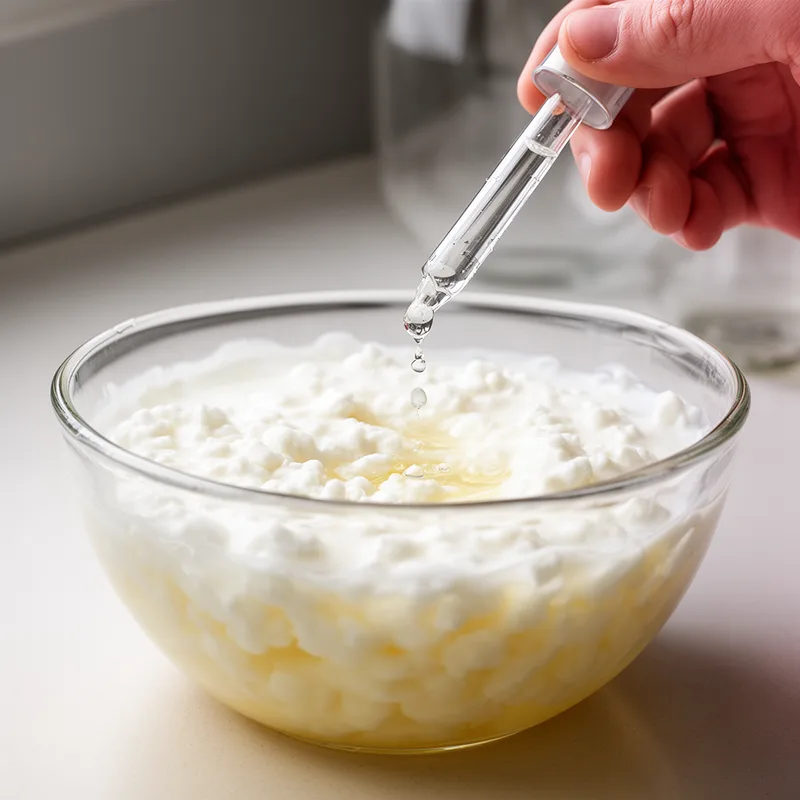
Able to become thick and partly solid, like milk turning into curds
- adjective
- /koʊˈæɡjʊləbəl/
- Specialized
:
coagulable
- Milk is coagulable when rennet is added, forming curds and whey.
Examples
-
The sample remained liquid, indicating it was not coagulable under these conditions.
-
The blood is coagulable under certain conditions.
-
Some proteins in the blood are coagulable, helping wounds to heal.
-
Is this substance coagulable at room temperature?
-
The addition of lemon juice made the sauce more coagulable and easier to spread.
-
Certain proteins in the milk cause it to become coagulable when heated.
-
When the enzyme was added, the mixture became coagulable within minutes.
How Clot-Prone
hypercoagulable
1
9.9
- Specialized
1
9.9

coagulable
1
9.3
- Specialized
1
9.3
Surface Forms
coagulable positive
Morphology
Etymology
Coagulable comes from the Latin word coagulum meaning 'a clot' or 'curd', and the prefix co- meaning 'together'. So, something coagulable can 'come together' into a thick or semi-solid mass, like milk curds or a blood clot.